Monday, November 19, 2018

Keep Your Cat Safe at Thanksgiving...

Keep Your Cat Safe at Thanksgiving...

...and all through the holiday season! We expect our human companions to overeat on Thanksgiving. The temptation is to feed your cat all kinds of exotic treats. After all, it's a holiday, right? But doing so is asking for trouble!

Thanksgiving Foods Never to Give Kitty

Many of our rich holiday foods are too fatty for cats to digest easily. Gravy is awfully tempting to a cat, but filled with fat and other unhealthy substances. And think about the ingredients of most casseroles: salt, spices, and rich dairy products like butter and cheese that don't do well for a cat's lactose intolerance. That's not a fun litter box to clean...and hopefully kitty would make it to the litter box! Diarrhea can also be a symptom of pancreatitis, a more serious issue than just an upset tummy.

Spices and seasonings such as onions, shallots, leeks, and garlic are not easily metabolized by a cat's liver and can cause a problem known as Heinz body anemia.

Turkey bones can splinter and damage a cat's digestive tract. Yes, cats can eat bird bones, but those are typically much smaller birds and they haven't been cooked.

Desserts are not usually something cats even like; they can't taste sweetness. Raisins and chocolate (especially dark chocolate) are bad for cats. And if someone has sweetened a dessert with xylitol to cater to the weight-conscious, that's highly toxic to a cat. You don't need an expensive vet bill or, worse, a dead kitty, right here at the holidays.

Stuffing (or dressing, as we call it in the south), is not good for cats, as it usually has onions and other spices that can cause Heinz body anemia or an upset tummy. 

If you bake your own bread, make sure kitty doesn't get into the raw bread dough while it's rising. The yeast can cause digestive upset, and even convert to alcohol in kitty's system. Cats are crazy enough at the holidays without getting tipsy! Once baked, it's okay if your cat steals a roll, as long as it's not slathered in butter.

Similarly, in raw cake batter; the uncooked eggs in it may have salmonella. Many of those recipes also have butter, which is too fatty and can irritate lactose intolerance.

Thanksgiving Foods It's Okay to Give Cats..with Caveats

One of my cats loves greens and gets all excited every time I get out some lettuce, kale, or arugula. These are okay to give your cats if they like them, as long as they're raw, unseasoned, and without dressing. The same goes for green beans...just not the casserole made from them.

Cranberries are in some cat treats to keep the urinary tract functioning well. Plain, raw cranberries may be fine for your cats to eat (although they'll be far more likely to want to play with them instead). The cranberry sauce is filled with sugar and not as good a choice for a diabetic kitty, but a tiny taste for a cat who's not diabetic won't hurt. Just make sure your crafty feline doesn't chow down on the whole bowlful.

Turkey breast without the bones is fine to give your cats -- but remove the skin, bones, and gristle. Dark meat is too fatty. And make sure it's not heavily seasoned...remember those dangers from the garlic and onions. If you feed your cat a raw diet, kitty may like raw turkey, but always use safe handling procedures for it. Many of the turkeys we buy for Thanksgiving have salmonella if they are not cooked.

The giblets that come with the turkey should also be cooked before feeding to your kitty, for the same salmonella risks as the raw turkey itself. If you don't use the giblets in gravy, boil them in plain, unsalted water for your cats and chop them up, removing any gristle or bones, before feeding them to the kitties.

Plain canned pumpkin is often given to cats on a raw diet as a digestive aid. But not pumpkin pie, and not canned pumpkin pie filling. Again, the spices won't agree with your cat, and kitty won't likely want to eat this, anyway.


Be aware that every cat's physiology is a little different, so what one cat can tolerate may cause another to get sick. You know your cats and what they usually eat; feed them some of their favorite food before the guests arrive, and you won't likely have any problems.

Other Holiday Dangers for Cats

When you're preparing the raw turkey, be careful to quickly wash the prep surfaces: cutting board, utensils, and counter top afterward to avoid kitty being tempted to lick up any juices that have dripped there. Salmonella is not pleasant for anyone, and you don't want to have to deal with it in your cat while you have a houseful of guests.

If you have a kitty who likes to explore the trash, empty it frequently keep it in a cabinet or another room with the door closed - a pantry or laundry room near the kitchen. If you're busy cooking and socializing with holiday guests, you may not notice a cat running by with a treasure found in the garbage! Dangerous trash items could include anything that was in contact with the turkey: wrappers, strings, or carcass bones, as well as things like onion or garlic peels, empty cans with some food residue in them, aluminum foil with food on it, or even twisty ties they could ingest.

After dinner, make sure you clear plates from the table promptly and scrape the leftovers into the secured trash. Kitty doesn't need to be tempted by Aunt Jenny's leftover casserole or Cousin Billy's turkey bones while you're in the other room watching football. And you know how fast those cats can be! Watch out for serving plates and bowls on the kitchen counters, as well. Make sure everything is securely covered or that the cats are locked in a separate room before sitting down to eat.

If any of your guests brought you a bouquet of flowers  or a plant, make sure everything in it is safe for your cats. In fact, if you're going to be visiting anyone for the holidays and want to give the hostess some flowers, double-check with your florist to make sure your bouquet is safe around whatever type of pets they have. Taking the wrong flowers could quickly take you from A-list guest to Never-invited-again guest! Lilies are a definite no-no, as are any decorations that could be easily pulled out of the arrangement and swallowed or chewed.

Your cat could easily get lost during a holiday gathering. Cats spooked by a lot of strangers can easily dart out a door without your knowledge. Make sure your cats are microchipped and wearing a collar or harness with your contact information on it. And make sure you've updated your information with the microchip company if you've moved.

If you have guests staying with you, they may have medications with them. If grandma drops a pill on the floor and kitty starts playing with it or eats it, that could be toxic. Even acetaminophen (Tylenol) is highly toxic to your cats if they get a hold of it. Keep your cats out of the guest bedroom and bathroom during your company's stay.

If your cats get stressed during the holidays when the house is abuzz with guests, you may want to try some calming remedies for them. Those may help them not only chill out, but some may even have them snoozing through the whole affair.

How Can I Tell if My Cat Has Been Poisoned?

Cats are masters at hiding their symptoms if they don't feel well, so you may not notice anything right away. But if your cat is hacking up something that looks unusual (as opposed to the usual cat vomit you see all the time), find out where kitty got it and save it to show the vet so you can seek proper treatment. Stinky diarrhea may also be a symptom that your cat has gotten into some dairy products or overly fatty foods and may be having a touch of pancreatitis.

After your guests have left, if your cat seems listless or won't eat, a vet trip could be warranted. Cats don't go on a diet intentionally. And cats can't go without food for an extended period of time, or they'll develop a condition known as fatty liver that can be serious or fatal. Not eating is a definite symptom that something's wrong.

If you'll have a houseful of guests for the holiday, make sure they understand not to offer your cats any treats that aren't sanctioned by you. If you have to make signs for this, do so. Some people think it's cute to offer some of their party food to someone's pet, and children may not know any better. If people insist on feeding your cats, make sure there are acceptable treats available for this. Or you could isolate your cats in a bedroom away from the crowd. Better safe than sorry when it comes to the safety of your feline companions!

Sources: "Thanksgiving Pet Safety" on American Veterinary Medical Association (AVMA) site; Dr. Eric Barchas, "Ask a Vet: Which Thanksgiving Foods Are Safe for Cats?" in Catster, updated November 15, 2018; Kelli Bender, "Which Thanksgiving Foods are Dangerous for your Pet?" in People, November 14, 2018; "Thanksgiving Safety Tips" on the American Society for the Prevention of Cruelty to Animals (ASPCA) site; Pam Johnson-Bennett, "12 Thanksgiving Safety Tips for Cats" on her own site; "Thanksgiving Safety Tips for Cats" on Petwave; Stephanie St. Martin, "Thanksgiving Pet Safety: Can Our Pets Eat Our Favorite Thanksgiving Foods?" on Care.com.


Monday, October 22, 2018

Understanding Your Cat's Immune System

Understanding Your Cat's Immune System

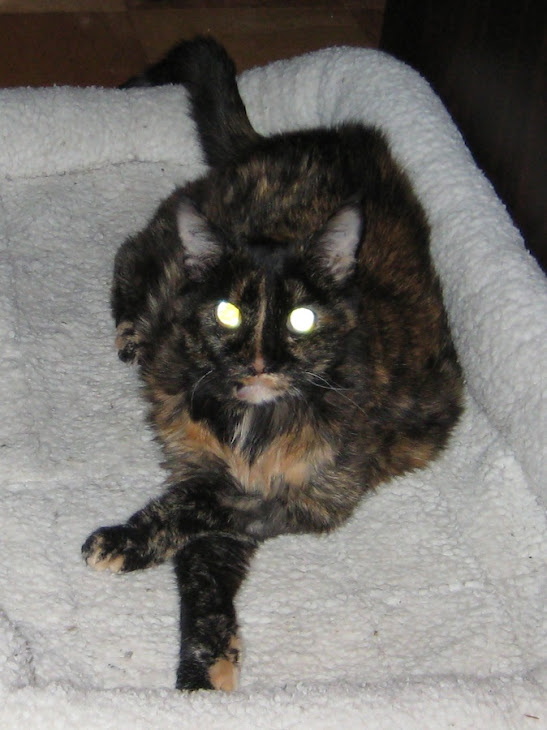
The cat pictured above looks perfectly happy and healthy, doesn't he? We thought so, too, until he developed some health problems, each about a year apart, that looked suspiciously like a disease known as FIP, Feline Infectious Peritonitis. 

FIP is an always-fatal condition caused by a fairly common virus to which virtually all kittens are exposed. Most of them develop immunity to it and never show any symptoms. But in some cats, it morphs into the full-blown disease. What makes the difference? To understand that, we must examine how the feline immune system works.

What Does the Feline Immune System Do?

In short, the immune system keeps your cat healthy by fighting off invading bacteria, viruses, and proteins that are foreign to the cat's body. These foreign proteins may come from things like pollen, dust, certain foods, parasites, poisons, venom, or toxins.

All cells have similar molecular structures known as antigens on their surfaces. Antigens are specific to the type of cell. For example, the antigens on the surface of Salmonella bacteria cells are different than antigens on oak pollen, which are different from the antigens on the calicivirus, which are also different from antigens on the cat's own body's cells. They even differ within specific types of cells: the calicivirus cells have different antigens on their surface than do the rabies virus.

There are multiple types of antigens on each cell, as well. Your cat's immune system recognizes the mixture of antigens on kitty's own cells and does not attack them. Different blood types (A, B, or AB in cats) are related to the antigens attached to blood cells within the body. This is why it's important that someone only receive blood transfusions from someone whose blood type matches their own: otherwise, the body's immune system would begin attacking the new blood.

When a foreign substance invades your cat's body, cells in the immune system detect these antigens, recognize them as being foreign to the cat's body and produce antibodies, proteins also known as immunoglobulins, to fight the invader. The type of antibody they produce depends on their past interaction with the antigens on that invading substance and how the body has programmed each of those defending cells to work.

The immunoglobulins have receptors on their cell surfaces that match the antigens on the invader. They bind to these antigens to form an immune complex. The match may be exact or similar. The immune complex neutralizes toxin cells, deactivates virus cells, or breaks apart bacteria cells. It also makes them more attractive to the types of immune cells that eat them.

What Makes Up a Cat's Immune System?

Several parts of the body contribute to a cat's overall immunity. The way they work together is miraculous. They include:
  • bone marrow - Helps produce white blood cells
  • intestines - Home to pro- and pre-biotics, friendly bacteria that help fight invaders
  • liver - Helps educate white blood cells on how to attack pathogens
  • lymph nodes - House large number of lymphocytes that attack pathogens - the immune system is actually considered to be part of the body's lymphatic system
  • mouth - Certain chemicals in saliva are a first line of defense from many pathogens
  • respiratory system - Mucus produced there is a first line of defense from many pathogens
  • skin - The primary first line of defense for many pathogens
  • spleen - Houses large amounts of lymphocytes that attack pathogens and filters antigens out of the bloodstream
  • stomach - Both its acid and its mucous lining are first lines of defense from pathogens
  • thymus gland - Helps produce mature white blood cells and teaches them how to do their job of defending the cat's body from invaders
  • tonsils - One of the locations where NK lymphocytes mature
White blood cells are known as leukocytes. Different types of them have specialized purposes. Those in bone marrow known as phagocytes attack and eat anything they deem foreign to the cat's body. Monocytes, granulocytes, and macrophages are a few types of these cells. They are a part of the body's innate immune system.

While monocytes operate from within your cat's bloodstream, macrophages reside in kitty's body tissues for more specialized types of work. Granulocytes are present in both areas.

All these cells move throughout the body via the lymphatic system, which is a structure of vessels similar to the circulatory system for blood. A fluid known as lymph constantly washes the body's organs with the defensive cells.

The adaptive portion of the cat's immune system involves a variety of body parts that communicate with each other to attack specific types of invaders. They also remember how they defeated these invaders in case of future encounters with them. This is the part of the system that provides immunity to future attacks from the same type of pathogen. It is the reason that vaccines work. Each subsequent exposure to the same invading agent triggers a faster and stronger immune response. It typically takes a few weeks after the first exposure to an invader for the cells' memory to provide immunity.

Lymphocytes originate in bone marrow and are another specialized type of white blood cells. Some known as T cell lymphocytes spend time in the thymus gland as they mature or migrate to the fetal liver. Others remain in the bone marrow (these are known as B cell lymphocytes, or plasma cells).

A third type of lymphocyte is known as Natural Killer (NK) cells. These specifically attack cells infected with a virus, as well as cancer cells and microorganisms.

Once mature, B cell lymphocytes move through the lymphatic system, patrolling for invaders and spending a lot of time in the lymph nodes and spleen. They are the ones that neutralize toxins, break apart bacteria, and deactivate viruses. B cells are also the ones with the best memory for invaders previously encountered. They can also make invading cells more attractive to the phagocytes that eat them. Meanwhile, the T cells attach to the invader and send out a dinner invitation via lymphokines to those same phagocytes.

Each mature B cell and T cell lymphocyte has receptors on its surface that recognize specific antigens on invading substances. More than one type of lymphocyte will attack the invading cells (or molecules), each using methods based on the specific antigen it has been born and educated to recognize.

Kittens may receive some of these immune system cells from their mothers in the womb. They are also present in the colostrum in her milk.

What Weakens a Cat's Immune System?

Some cats develop a condition known as Weak Immune System, in which they have too few phagocytes. Several diseases (FIV, FeLV, FPV, FIV, diabetes, cancer) can cause this condition, or it may be congenital. In those cases, it may result from an underdeveloped thymus gland. Cats who have Weak Immune System are more prone to infections affecting the gastrointestinal or respiratory systems, as well as skin conditions.

With kittens, if something prevents them from nursing on a mother cat within their first 24 hours of life, they will not receive the protection of antibodies from the colostrum in her milk. Kitten formulas can fill their tummies and help them grow, but they do not provide that key immune-boosting function. Within 18-24 hours after birth, the kittens begin to develop their own antibodies and no longer need the colostrum. See this recent post on Cat Blood Types for more on a condition known as Fading Kitten Syndrome that can occur with young kittens.

Cats are highly susceptible to stress, which can weaken their immunity just as it does for humans. Stressors for kitties may include minor changes in the home environment, traveling, separation from a beloved human, introduction of a new animal or person into the household, other cats or animals they can hear/smell from outside the home, and grief/pining for a lost human or animal companion.

Certain drugs or parasites can suppress the immune system. The drugs may be given during organ transplants, to prevent the body's rejection of the new organ. Parasites suppress it so they can survive and continue to live in your cat's body. (Ew!)

An immune system can malfunction in ways other than failing to prevent disease, however. One of these presents as allergies caused by the immune system's overresponse to an invader by producing histamines. While allergens tend to cause most people to sneeze or cough, they more often show up in cats as skin issues. Some cats do sneeze or get asthma from allergies, as well. An anaphylactic reaction to an insect sting is another overly enthusiastic response of the immune system.

When something goes wrong in training the cells to recognize invaders, they may start to view the body's own cells as foreign and begin attacking them. This is an autoimmune disease. Sometimes drugs given to treat one thing can alter the body's red blood cells and make them appear foreign to the immune system.

Five common autoimmune diseases in cats are:
  1. Pemphigus foliaceous - causes pustules and lesions on the ears, nose, chin, and/or feet
  2. Myasthenia gravis - nerve disorder that can cause weakness, vocal changes, and problems with eating
  3. Autoimmune hemolytic anemia (AIHA) - causes the body to attack its own red blood cells; in cats this is usually triggered by a disease, drug or toxin
  4. Chronic progressive polyarthritis - inflammatory disease that causes arthritis symptoms in the cat's moving joints, with the immune system attacking the joint cartilage
  5. Systemic lupus erythematosis (SLE) - Persian, Siamese, and Himalayan cats are thought to be more susceptible to this autoimmune disease that causes lameness, loss of appetite, skin lesions or ulcers, kidney and liver problems.
Some immune system dysfunctions can result in feline cancers: tumors in the bone marrow, lymph nodes, spleen, or thymus gland. Obviously, leukemia is also a form of blood cancer that results from a malfunctioning immune system.

How Can I Protect My Cat's Immune System?

A very important way to keep your cat healthy is to feed a quality diet consisting primarily of meat. Raw is best, canned/pouched is second best, and kibble is the lowest quality. If you feed a prepared food, look for grain-free formulas with meat as the primary ingredient. Cats also need to receive enough Vitamin A, Vitamin E, and selenium to bolster their immune system.

Certain types of immune-boosting supplements may also be helpful. Ingredients that have been studied and found to be effective include the amino acid arginine, nucleotides, and salmon oil.

Interestingly, outdoor cats have likely been exposed to more diseases in their lives and may have developed a natural immunity to them through the body's own miraculous immune system. This does not mean that you should let your cat live outdoors, however; the dangers far exceed any immunity boost the cat may get, and many outdoor cats don't survive the diseases they encounter. It's far safer to keep your cats indoors.

One way to provide immunity to common feline diseases is to get your cat vaccinated. Cats should receive only three vaccines to protect from the following:
  • Rabies
  • Feline herpes, calicivirus, panleukopenia combination (FVRCP)
  • Feline leukemia (FeLV)
If you are worried about over-vaccinating your cat, you can opt to have a titer test done instead. While many vets like to vaccinate cats annually, newer guidelines call for every 3 years. A titer test will tell you if your cat still has immunity from past vaccinations. Some vaccines, when given in kittenhood, may provide lifetime immunity.

Make sure you request that only non-adjuvanted vaccines be given to your cat. These are also known as modified live vaccines. These may cost a little more. Substances called adjuvants are added to many vaccines to purposely cause inflammation at the vaccine site, with the logic that doing so alerts the immune system to the invader and provides a quicker response. However, there is a strong correlation between adjuvanted vaccines and Injection Site Sarcomas (ISSs, cancerous tumors formerly known as Vaccine Associated Sacromas, or VASs) later developing at the injection site.

There are several other vaccines your veterinarian may recommend. However, at this time, these are not considered necessary. Some are even ineffective...and they may have negative side effects. You do not need to vaccinate your healthy cat against these, and I've lined through them to emphasize that point:
  • Feline Immunodeficiency Virus (FIV)
  • Feline Infectious Peritonitis (FIP)
  • Bordatella
  • Giardia
  • Chlamydia
Old Maid Cat Lady used to sell many products that help boost the feline immune system, but you can thank thieves and the banking system for taking away that option for you. Other online retailers also sell products for the feline immune system, although you'll need to do some research to make sure they are safe for cats.


Friday, October 19, 2018

Blood Types in Cats

Blood Types in Cats

Humans have four main blood types: A, B, AB, and O. Do cats also have similar blood types? They do! Here's the lowdown on feline blood types:

Cats have 3 blood types, the same ones as humans, except for O. There is no universal feline blood donor. Most cats have type A blood, which is also the most common type in humans. 

Blood type is determined by the cat's genetic heritage. Due to fewer tests being done on cats than on dogs, it was 2007 before the genetic factors that determine a cat's blood type were identified!

And just as humans can be positive or negative for an Rh factor in their blood, cats have additional blood antigens. Cats are either positive or negative for these antigens in their blood; more on this below.

Some purebred cats are more likely to have type B blood. Approximately half of the Turkish Angora cats tested in one study were type B, 41% of both Cornish and Devon Rexes, and a third of British Shorthair cats. Another study by the University of Pennsylvania found 59% of British Shorthairs were type B, 49% of Devon Rexes, and a third of the Cornish Rexes.

There also seems to be a geographical correlation with type B blood: it runs through the veins of a higher percentage of the cats tested in Australia (26-36%), Turkey (25%), India (12%), France (15%), Italy (11%)...and London, England (31%) (but not as much so in England outside of London, which had only 3% type B cats). Within the United States, the highest percentage of cats with type B blood seems to be in the Pacific northwest - but that's only 6% of cats there.

Only rarely do we encounter a cat with type AB blood. The UPenn study referenced above found cats with AB blood type within a few breeds: British Shorthair, Ragdoll (from Italy), Scottish Fold, Somali, and Sphynx.

What Difference Does Blood Type Make in Cats?

People who have type A blood can only receive transfusions from others with type A. B-type only from B-type. Those with type AB can receive blood from any other type. Human type O is also known as the universal donor, because all blood types can receive type O blood.

It is the same in cats. If your veterinarian needs to give kitty a transfusion, there must be a donor cat on hand who has the same type of blood. Otherwise, the cat's body would reject the cells in the donated blood as being foreign invaders. This would cause serious health problems that could be fatal.

But cats are also unique among mammals, in that most of them produce a type of antibody that will attack the red cells of blood introduced to their system if its type differs from their own. These are known as alloantibodies. Kittens begin producing alloantibodies at about 8-12 weeks of age. 

The Mik factor is a type of alloantibody only discovered in this century. Others that have been identified are IgG and IgM. Again, because there have been less studies done on cats than on dogs, less is known about additional alloantibodies that may be as yet undiscovered.

Cats with type B blood have an especially high number of alloantibodies. They should not under any circumstances receive any amount of type A blood, as it could be fatal. Cats with type AB blood produce no alloantibodies and may receive blood from either A or B blood-type cats.

In breeding cats, blood type is also an important consideration. If a female cat has type B blood and is bred to a male with type A, any kittens born with type A or AB blood may not survive. They develop a condition known as neonatal isoerythrolysis (NI), or fading kitten syndrome. This is due to the colostrum in the mother's milk that is designed to protect them from diseases during their first 24 hours of life. Because of the higher number of alloantibodies in her type-B blood, they will attack the blood of any kittens with an A in their blood type and kill them, as well. 

If a queen has type B blood and is bred to a tom with type A or AB blood, it may be advisable to separate the kittens from her for the first 24 hours in case they are of blood type A. They could be bottle-fed or nursed by another lactating queen who has blood type A. This would be especially important in the breeds mentioned above with a higher tendency toward having type B blood.

Are There Blood Banks for Cats?

There are! However, most cats must be anesthetized for them to donate blood, so they are far less common than those for dogs. Most veterinarians have another cat in their clinic who can donate a small amount of blood for a kitty who needs it.

As with human blood stored in banks, donated feline blood must be handled and stored carefully to prevent contamination and remain useful. It can be stored for up to a month, but should be used as soon as possible after donation. Naturally, donor cats are screened prior to donation to make sure they are free of diseases such as FeLV and FIV, have been vaccinated against rabies, and are indoor-only cats in good health.

Nine Lives Blood Services in Michigan was the nation's first such feline blood bank. Their donor cats come from nearby shelters. Staffed by a veterinarian and a licensed veterinary technician (LVT), the blood bank doubles as a cat rescue facility that helps place shelter animals into homes.

The University of Pennsylvania maintains a feline blood bank where cat donors are kept for three years, then adopted into homes. The Ohio State University's Veterinary Medical Center keeps a list of available nearby feline blood donors on hand, to which they offer several free perks for enrolling that not only reward the donor kitties, but help keep them healthy.

Is Cat Blood Different From Human Blood?

Yes, cat blood and human blood are different. A cat cannot accept a transfusion from a human, and vice-versa, even if they are both of the same blood letter-type.

How Do I Know My Cat's Blood Type?

Veterinarians and labs use several methods to test a cat's blood for type. There is currently no home-testing kit to determine your cat's blood type. Vets who are testing cats for transfusions or organ donation must also test for alloantibody types present in each cat's blood, as these may cause rejection of blood or an organ if they are not matched that would likely be fatal to the recipient.

Sources: "Feline Blood Types: What you need to know and why (Proceedings)" on DVM360; "A Newly Recognized Blood Group in Domestic Shorthair Cats: The MiK Red Cell Antigen" on the National Institutes of Health's U.S. National Library of Medicine (March-April, 2007, pages 287-292); "Feline Blood Types (Transfusions and Neonatal Isoerythrolysis)" on the Winn Feline Foundation (2015); "Blood Donor Cats: Offering your cat to be used as a blood donor" on International Cat Care.

Tuesday, May 15, 2018

Kitty Losing Weight? A New Drug May Help!

Kitty Losing Weight? A New Drug May Help!

The FDA has approved a new drug, Mirataz™, to manage undesired weight loss in cats. Best of all for the kitties, it's absorbable through the skin, not given in pill form!

Many of our cats experience weight loss that accompanies other health issues such as dental problems, kidney disease, thyroid problems, or gastrointestinal issues. Due to their skill at masking disease, sometimes that's the first thing we notice that indicates our kitties are ill. While this drug does not treat the underlying disease, being at full weight can help the body's natural immune system work in tandem with treatment to help your cat recover more quickly.

Mirataz™, an ointment developed by Kindred Biosciences, Inc., is the first such branded treatment for feline weight loss. The company reports that it resulted in "significant weight gain in cats in as little as 14 days following topical application of 2 mg per day." While a generic mirtazapine ointment has been available from compounding pharmacies, this product uses a proprietary delivery technology they call Accusorb™ to ensure "measurable plasma concentrations" of the drug once given. Testing of the drug was accomplished thanks to a grant from the Winn Feline Foundation.

And if you've ever given your cat a pill (go ahead, look at your scars to prove it), you'll be thankful that Mirataz™ is given by applying a ribbon of ointment to the inside of your cat's ear pinna on a gloved finger. Gloves are recommended for applying it, since the drug is absorbed through the skin and you certainly don't want the weight-gaining properties of it to get into your own bloodstream!

Naturally, there are cautions: Mirataz™ is available by prescription from licensed veterinarians. It is not appropriate for cats being treated with MAOIs (monoamine oxidase inhibitors). Nor should it be given to kittens under 6 months old, or to pregnant or lactating mother cats. If your cat is being treated for liver or kidney disease, it should also be used with caution. After applying, you'll want to keep your cat isolated from any other feline companions for a couple of hours, so they can't lick off the ointment before it is absorbed. Monitor your cat's food intake once you stop giving the drug. Some cats during the trials had a mild reaction at the application site, while others exhibited hyperactivity and vocalization or vomiting after receiving it.

For more complete information on Mirataz™, visit Kindred Biosciences, Inc.'s website.

Thursday, September 28, 2017

Health Spotlight: Mycoplasma felis

Health Spotlight: Mycoplasma felis

A friend posted recently that her beloved kitty had been diagnosed with this, and wondered what it meant. Naturally, I had to research it! Here's what I found:

What is Mycoplasma felis?

Mycoplasma are microscopic bacterial plant life (flora) that live everywhere in nature. This includes in humans, plants, insects, and in your cat's nasal and respiratory passages. They are thought to be the smallest organisms that can grow independently. A few can worsen infections in a cat's eyes or lower respiratory tracts. Others are suspected culprits in arthritis or urinogenitary tract infections.

These bacteria are anaerobic; that is to say, they do not require oxygen to live, grow, and reproduce. They can easily change shape because they do not have a typical cell wall. This makes them able to easily travel to various areas of the body.

Mycoplasma felis, or M. felis, is only one type of these bacteria. Others are M. gataea and M. feliminutum. There is another type of bacteria called M. hemofelis, which is a very different pathogen of the blood that affects your cat's ability to produce white blood cells. It is not the same as M. felis.

What Causes Mycoplasma felis?

Since it is a type of bacteria found everywhere, a more accurate question would be: What does Mycoplasma felis cause? M. felis is one of many possible bacteria that can worsen feline conditions such as:

  • Conjunctivitis (pinkeye)
  • Pneumonia
  • Lower respiratory infections
  • Urinary or genital tract infections
  • Polyarthritis

Your veterinarian will need to determine exactly what is causing your cat's illness in the instances mentioned above. One of the possible contributing factors is M. felis. Main causes of these conditions can include common allergies, acholeplasma, ureaplasma, chlamydia, feline herpesvirus (FHV or FHV-1), various fungi, feline calicivirus (FCV), or other viruses.

Once properly identified as a culprit, M. felis can be more effectively treated with antibiotics that target it. A name commonly given to infections caused by all the mycoplasma bacteria is mycoplasmosis. Mycoplasma tends to worsen or prolong infections caused by other agents; this is more often the case than for it to be the primary cause of the infection. It rarely acts alone in causing disease.

What are the Symptoms of Mycoplasma felis?

Symptoms would come from the conditions being caused by the M. felis. Your cat would not likely have all of these symptoms, only the ones specific to the disease in the area of the body infected. They could include:

  • Severely swollen eyes
  • Eye and/or nasal discharge
  • Frequent sneezing
  • Lameness
  • Difficulty walking or grooming
  • Difficulty stepping up into the litter box (may cause litterbox avoidance)
  • Fever
  • Squinting
  • Spasmodic blinking
  • Long-term skin abscesses
  • Weakened newborns of infected mothers
  • Stillbirths or early kitten deaths
Cats afflicted by immune deficiencies such as feline leukemia (FeLV) or feline immunodeficiency (FIV) viruses may be more susceptible to infection from mycoplasma bacteria. Often, a cat presenting the above symptoms may be tested for both of these as a precaution.


How is Mycoplasma felis treated?

Your veterinarian will take a sample of your cat's eye fluid or swab the throat, or may extract a bit of joint fluid, depending on the type of infection. The vet will also check for inflammation. The sample is sent off to a lab, where they will test it for the presence of M. felis. If it is present in the sample, your cat will be given an antibiotic. This test will likely run you a couple hundred dollars, but is the only way of knowing for sure if M. felis is contributing to your cat's illness.

Typical broad-spectrum antibiotics used to combat diseases caused or exacerbated by M. felis as of this writing include:

  • amoxicillin with clavulanic acid
  • cephalosporins
  • trimethoprim-sulfa
  • fluoroquinolones
  • tetracyclines
  • chloramphenicol
The two most effective against M. felis are thought to be the tetracyclines and fluoroquinolones. The specific drugs doxycycline and pradofloxacin were found to be effective against M. felis in a 2008 German study. Doxycycline was slightly more effective at eliminating M. felis completely, although both relieved the cats' symptoms within the first week of treatment. A 2016 study funded by the Winn Feline Foundation reported that minocycline and azithromycin are also quite effective against M. felis.

If your kitty's eyes are affected, your vet may prescribe an antibiotic ophthalmic ointment or drops in addition to the medicine given by mouth. If swelling or pain are being caused by the infection, your vet may give a non-steroid anti-inflammatory (NSAID), which may also be included in the ophthalmic ointment/drops. 


Luckily, most cats have a good prognosis when infected by mycoplasma. Young kittens or geriatric cats may have more difficulty overcoming it. Milder cases can last from five to ten days, while more severe ones may stretch out for up to six weeks. Normally antibiotic treatment will continue for at least three weeks. By the time most people have their cats tested for M. felis, the longer recovery time is typical.

Home treatment of these infections is typical, once properly diagnosed. Your cat should not need hospitalization. You may want to make your kitty more comfortable by dabbing the eye and nose secretions periodically with a tissue. If your cat is reluctant to eat, it could be that the sense of smell is compromised, so try an especially aromatic food. This is the time to spoil your cat with his favorite! Make sure kitty is drinking plenty of fluids, to help thin and clear the nasal and eye secretions.

The length of treatment will be determined by your vet, depending on your cat's condition. You will usually need to be giving antibiotics for a fairly long time. Supplements to boost your cat's immune system may help with recovery, as well as helping your kitty stave off a reinfection.

Is There Any Way to Prevent Mycoplasma felis?

Because these bacteria are everywhere, there is no vaccine to prevent infection. Sunlight and chemical disinfectants kill these bacteria. The best prevention is to keep your cat's environment as clean as possible.

In multi-cat households, if one of your cats tests positive for M. felis, that bacterium will be present in the cat's nasal discharge for the rest of its life. But, as discussed above, it exists virtually everywhere else in nature anyway, so this should not present any more of a danger to your other cats than merely living in the world.

If your cat is suffering from repeated upper respiratory or eye infections, ask your vet about having the test done for Mycoplasma felis. Getting the proper treatment could actually save you money in the long run, and will certainly make your kitty feel better!

Sources: "Bacterial Infection (Mycoplasma, Ureaplasma, Acoleplasma) in Cats", Pet M.D.; "Mycoplasma felis" Zoologix (test description); Ned F. Kuehn, DVM, MS, DACVIM, Section Chief, Internal Medicine, Michigan Veterinary Specialists, "Feline Respiratory Disease Complex" Merck Veterinary Manual; "Mycoplasma felis", The Cat Site; Dr. Marie, "mycoplasma felis respiratory infection", AskAVetAQuestion.com; AD Hartmann, CR Helps, MR Lappin, C Werckenthin, and K Hartmann, "Efficacy of pradofloxacin in cats with feline upper respiratory tract disease due to Chlamydophila felis or Mycoplasma infections", U.S. National Library of Medicine; Susan Little, DVM, DABVP (Feline) and Matthew Kornya, DVM, "Upper Respiratory Infections in Cats", Winn Feline Foundation.

Wednesday, September 20, 2017

Health Spotlight: Feline Uveitis

Photo: Staci Machado

Health Spotlight: Feline Uveitis

A recent Facebook post to the CatCentric group devoted to healthy cats described the poster's cat's diagnosis as lymphocytic plasmacytic uveitis. The kitty is pictured above. She couldn't find anything on this condition and asked for help, so here's what I discovered upon researching it.

What is Uveitis?

Uveitis is a medical term for inflammation of the middle layer of the eyeball, which is known as the uvea. This portion of the eye contains a large number of blood vessels that nourish your cat's eyes. Uveitis is not a disease in and of itself, but a condition that can be symptomatic of injury or any number of diseases or other conditions.

Some cats who develop uveitis also develop glaucoma due to an imbalance of normal fluids (vitreous humor) inside the eyeball. The fluids are unable to drain as they usually would because of the inflammation, so they build up and create pressure in the eye.

What Causes Feline Uveitis?

Many things can cause the middle layer of the eyeball to become swollen. Several factors can increase a cat's likelihood of developing this condition:

  • Bodily infections, commonly of the lungs or central nervous system
  • Viruses, such as FHV-1, FeLV, or FIV
  • In cats under 2 years of age, feline infectious peritonitis (FIP)
  • Parasites, such as Toxoplasma gondii or Bartonella
  • Systemic inflammatory diseases, such as inflammatory bowel disease
  • Tumors or cancers
  • Allergies or immune system deficiencies
  • Living with smokers
  • Injury to the eye (uncommon cause) or corneal ulcers
  • Fungal infection (rare)

In most cases, the uveitis is caused by an infection of some type. The diagnosis given to the cat pictured above, "lymphocytic plasmacytic uveitis," indicated that the veterinarian was unable to identify the cause of the condition. Lymphocytes and plasmacytes are two types of white blood cells that are essential to the body's immune system. When the cause of uveitis is uncertain (idiopathic), lymphocytic plasmacytic uveitis is the diagnosis commonly used to describe it.

Many kittens in wild colonies or overcrowded conditions are exposed to FHV, the feline herpesvirus-1. This is a different type of herpes virus than the one that affects humans, and it is not transferrable between cats and humans. FHV often manifests in the eyes, respiratory and gastrointestinal tracts. Cats affected by FHV tend to sneeze a lot, have runny eyes, conjunctivitis (pink eyelids), and possibly have ulcers on the eyes, among many other symptoms. The uveitis is a secondary condition to the FHV infection. As with the type of herpes virus that infects humans, this one also remains dormant in the cat's system and may flare up again in times of stress.

FIV, the feline immunodeficiency virus, may be an underlying cause of uveitis in cats 5 years or older. These tend to be milder cases of uveitis, and you may not notice it until the secondary glaucoma develops. These cats' eyes may sometimes appear to have a cataract. In many cases, the uveitis will appear several months to years before the cat tests positive for the virus. FIV is controllable (although not curable at this time), and is no longer the fatal diagnosis it used to be; it can be managed and cats can live many happy years with it now.

The feline leukemia virus, FeLV, is a retrovirus that affects only about 2.3% of all cats. One of its effects is to cause a buildup of protein deposits in the middle coating of the eye, which shows up as the discoloration associated with uveitis.

Most kittens are exposed to the feline calicivirus and will show respiratory symptoms. They may develop corneal ulcers as a result. This can cause them to experience some uveitis. While cats of any age may get this virus, it is more common in kittens.

In cats with full-blown FIP, several of the kitty's organs (kidneys, liver, spleen, lungs) and even the central nervous system are affected by the disease. The uveitis is only one component to the infection that is wracking the entire bodies of these poor cats. Although research continues on a cure or vaccine for FIP, it is often still a fatal diagnosis as of this writing.

When caused by Toxoplasma gondii, or toxoplasmosis, the cat may have a pulmonary (lung) or central nervous system infection in addition to the uveitis. In these cats, the uveitis may be ongoing and the cat's immune system may become suppressed.

Older cats may develop uveitis when an underlying cause cannot be determined. This is especially true for cats who have had a problem with uveitis in the past. This may affect one or both eyes, and often leads to glaucoma.

Lens luxation (displacement of the lens) is a condition that is rare, but more common among Siamese cats, especially aging ones. Uveitis may occur secondary to this condition.

Hyphaema is when blood cells accumulate in the front chamber of the eye. It is similar to uveitis, but has its own set of causes and symptoms.

Some cats with uveitis have tested positive for infection from Bartonella, a bacteria that causes what is commonly called "cat-scratch fever" when transmitted to humans. This type of bacteria lives in the lining of the blood vessels and is often spread by contact with flea feces. Cats may not show symptoms of infection from it other than mild fever, swollen glands, and slight muscle aches, so you may be completely unaware that your cat has this when you see symptoms of uveitis.

What are the Symptoms of Uveitis in Cats?

If your cat is experiencing uveitis, you may notice the following symptoms:

  • The cat's eye color may change (see photo above) due to fluid accumulation
  • The eye may appear red or swollen
  • The affected eye may produce a lot of tears
  • Kitty may squint or show sensitivity to bright light
  • The cat's pupil size and shape may change

Uveitis can be a painful condition. The tearing and squinting are indicative of pain. The cat's eye color may change all over, as in the photo above, or it may appear that a dark cloud is covering a portion of the eye. The discoloration comes from fluid building up in the eye, and is usually darker than the iris's natural color.

When your veterinarian examines the cat's eye internally, there may be several indicators that are not apparent by mere observation. When the vet shines a light into the cat's eye, the beam may scatter due to increased protein and inflammatory cells in the natural fluid within the eyeball (the aqueous humour). There may be nodular lesions or excess small blood vessels on the eye's iris. The blood vessels of the retina may be inflamed. These can only be seen with equipment in a vet's office that you do not likely have at home.

How is Feline Uveitis Treated?

This is not something you can treat by yourself at home. Take your cat to a veterinarian for a proper medical diagnosis and treatment. Rapid treatment of uveitis can save your cat's eyesight. If left untreated, it can result in blindness in the affected eye.

Corticosteroids can reduce inflammation and pain of the condition, and are still the most common treatment for uveitis. These may include prednisolone or dexamethasone. You will need to apply the medicine, usually as an ointment, to your cat's affected eye multiple times per day at first, slowing to only once or twice daily as the condition responds to treatment.

In severe cases, your vet may administer a corticosteroid underneath the surface of the cat's eye. This should only be done in rare instances when the swelling has affected the back portion of the eye, and the condition is not caused by an infection.

If the cat has a fungal infection that has affected the internal organs, kitty's prognosis is not good, although treatment with imidazole therapy has been documented. Luckily, fungal infections in cats are rare.

Depending on the cause, the underlying infection, disease, or condition must be treated to decrease the likelihood that the uveitis will reoccur. This may involve referral to a veterinarian specializing in feline oncology or rheumatology. In cases of FIP or FIV, there is no specific treatment currently available. For Bartonella, azithromycin has been used successfully.

While human uveitis can sometimes be treated by dilating the pupils to reduce inflammation, constriction of the feline pupil is not usually a problem in cats suffering from uveitis, so this is not a treatment used by veterinarians.

Is There Any Way to Prevent Feline Uveitis?

Not all the diseases that can cause uveitis are preventable. Sometimes, cats are exposed to pathogens before we take them in. If you adopt a new kitten or cat, have your veterinarian check out the kitty and give it a clean bill of health prior to introducing it to your other cats.

Cancer can occur in even the healthiest of cats. If the uveitis occurs as a side effect of a type of cancer, only your veterinary oncologist can help with treatment. There is no known prevention for cancer at this time.

Keeping your cat healthy and kitty's environment flea-free is the best defense against many of the diseases that may cause uveitis. Feeding quality food and supplementing with a good probiotic will support your cat's immune system and keep the body strong.

Treat your cat for fleas and vacuum often to keep your home free of fleas and ticks that may bring diseases like bartonellosis.

If you do see any discoloration in your cat's eye(s), seek a veterinarian's opinion first. With such a myriad range of causes, it's important to have proper testing done to see if anything can be done for the underlying condition causing it.

Sources: "Feline uveitis: aqueous flare intensity excellent clinical monitor" by Johnny D. Hoskins, DVM, PhD, DACVIM, Veterinary News dvm 360, September 1, 2005; "What is Uveitis?" by Kierstan Boyd and reviewed by Robert H. Janigian Jr. M.D., American Academy of Ophthalmology, March 1, 2017; "Cat Scratch Fever in Cats", Pet MD; "Anterior uveitis", Vetbook, "Feline Calicivirus Infection in Cats", Pet MD.


Thursday, August 17, 2017

Black Cats Matter!

Black Cats Matter!

Today is Black Cat Appreciation Day. Usually celebrated in October in the UK, the American observance is held in August. Many shelters and cat rescue groups offer discounted adoption fees for black cats on this day.

Why a special day for black cats? Statistically, they get adopted less often than other cats in shelters. Folks who work in animal rescue decided to draw attention to these beautiful "house panthers" by dedicating a day to celebrating them.

It's a mystery to me why black cats should be less desirable to people as pets. They are sleek, gorgeous companions, with personalities just like any other cat.

Aside from looking like panthers, what's so great about black cats? My first cat was a black cat and several of my friends have lived with black cats, so I can speak to this.

Minuit was a very talky fellow who adored me and was never happier than when he was with me. He loved to walk on a leash and harness, which always drew stares and comments. People were always telling me that he looked like a miniature panther.

When I briefly lived in a friend's condo where she cared for a feral black cat and needed time to prepare a place for her before coming to get her, I got to know Roz and found her to also be quite talkative and confident.

Unwarranted Myths About Black Cats

The association between black cats and bad luck most likely originated in the Middle Ages. This happened because witches represented the old pagan religion to the Church in Europe. When people turned to a witch instead of a priest to solve their problems, it threatened the growing power of the Church. If our current political climate teaches us anything, it's that getting in the way of anyone's power creates enemies who will stop at nothing to hold onto that power!

An old Celtic belief said cats were actually humans who had done something bad and been forced to return to earth as a cat. The Greek Goddess Diana's cult was also associated with black cats. Church leaders thus began to link cats -- and especially black cats -- with witchcraft. Because cats were favorite pets of women, who were most often linked to witchcraft, this made them convenient scapegoats. Feline "familiars" were accused of carrying out the evil deeds assigned to them by their witch companions.

Many sources cite the official Papal bull Vox in Rama, issued in the early 1230s, as the first where the Church called black cats an actual incarnation of Satan. The bull included a detailed description of the rituals of a cult known as The Cathars, many of which involved a black cat and a half-man-half-cat being. This document was used as an excuse by many to eradicate as many black cats as possible.

Thousands of cats were tortured and killed in Europe and early America, along with their owners who were deemed witches. Ironically, those cats could have helped them avoid one of the largest pandemics their world had ever known -- the Black Death, bubonic plague, which was spread by rats...rats that could have been eliminated by the very cats that were being killed off.

This association with evil and death likely led to superstitions such as it being bad luck if a black cat crossed one's path, or the symbolic black cat that appears in many Halloween decorations. In Germany, the luck depends on the direction the cat walks across one's path: if left to right, you're in for some good luck, but right to left foretells something bad about to happen to you. In the UK, a black cat walking toward you is said to bring good luck, while one walking away from you takes the good luck with him.

In his short story The Black Cat, Edgar Allen Poe wrote of a murderous, abusive drunk who put out his cat's eye one night and then went on to murder the kitty named Pluto, and later his own wife. But the cat exacted his revenge by becoming the personification of the man's guilt, enticing him to lead police to his wife's body entombed in a wall of their house.

There's one type of bad luck associated with black cats that's more than a myth: they were adopted as a symbol of sabotage by workers' organizations in the early 1900s. The Industrial Workers of the World used a black cat as its symbol, taking its arched-back, bared-fangs pose from anarchists of the time.

Black Cats Adored

On the other end of the spectrum, the ancient Egyptians worshiped cats. Bast was their primary feline goddess, and she was mostly depicted as a black cat. Keeping a black cat in one's household in ancient Egypt was thought to gain favor with Bast.

Author Samuel Johnson had a favorite black cat named Hodge who dined on oysters. He wrote several poems and stories about Hodge, as did his friend Percival Stockdale. Johnson even bought the herb valerian to calm the cat in his final days. If you have ever smelled the old-socks aroma of valerian, you know this means he had to love him very much!

Sailors always like to have a ship's cat aboard, to control rats. But a black cat is especially thought to bring good luck to the crew. Some fishermen's wives like to keep a black cat at home to give their husbands luck while at sea. Pirates of the 1700s, however, thought a black cat only brought good luck if it was walking away from a person; if one approached, "Shiver me timbers!"

Australia has a celebrity black cat in its history. Trim was a companion of Matthew Flinders on the HMS Reliance, the HMS Investigator, and the HMS Porpoise. In his short life, he circumnavigated the Australian continent and was a favorite of Flinders' early-1800s crew.

If a black cat walked onto a ship and then off it, that ship was said to be destined to sink on its next voyage. There is even a rumor of a black cat doing this on the Titanic at Southampton.

Former U.S. President George W. Bush and his wife Laura had a black cat named India (nicknamed "Willie") who lived with them for almost 20 years. She lived in both the Texas Governor's Mansion and the White House with them. As is typical, the media largely ignored her in favor of the Bushes' dogs.

A famous black cat in the U.K. is Oscar, also known as the Bionic Cat. Both his rear legs were severed between the ankle and foot by a combine harvester. Luckily, his vet knows Noel Fitzpatrick, star of the BBC show The Bionic Vet. Using pioneering surgery, Noel replaced Oscar's legs with prosthetics custom made for him.

In Scotland, if a black cat shows up at your house, prosperity is on the way. Black cats are actually considered to be good luck all over the United Kingdom. British King Charles I had a beloved black cat who he believed brought him luck. When the cat died, he was arrested the following day and charged with high treason. Coincidence?

In Russia, black cats are considered to be good luck. The Japanese also revere black cats as luck-bringers. This is especially true for single women...likely due to the next fact below.

And listen up, fellow old maid cat ladies: if you have a black cat, you're supposed to have many suitors! In the English Midlands, a black cat is considered to be a good luck gift for a bride.

Black Cat Facts

Myths and superstitions aside, there are many things that make black cats unique and special.

The solid black coat pattern originates from a recessive gene that suppresses the tabby pattern in a cat's coat. Some black cats will have pale remnants of tabby markings if you look closely at them. Black cats typically have black paw pads and a black nose, although some may have brown paw pads.

Having a black coat does not make a cat a specific breed. In fact, the Cat Fancier's Association recognizes solid black as a coat pattern acceptable in 22 different breeds of cats. The only breed that must be all black is the Bombay. They are intelligent cats who crave attention.

A solid black cat is slightly more likely to be male than female. The color of a cat's coat is directly linked to the X chromosome. Since female cats have two X chromosomes, they have a higher chance of displaying two coat colors. Males have only one, so if it's black, he will be solid black.

Panthers are not always solid black. Look closely at some, and you can still see the faint spotted coat of a leopard or jaguar. The spots are a dark brown color, however, due to the genetic combination described above.

Interestingly, the National Institutes of Health conducted a study indicating that black cats may have a stronger resistance to auto-immune diseases.

Most black cats have golden eyes. This is likely due to the higher content of melanin in their bodies. In some, they appear more green.

In my black cat, the skin underneath the black coat was solid white. This was especially obvious if he had been to the vet and gotten an IV, when they shaved the hair off one of his front paws. I also noticed it when he once licked all the hair off his stomach due to stress over a move. Not all cats have white skin, however; a tiger has stripes on his skin as well as in his coat, as do the skin patterns of most calico and tortoiseshell match their coat colors.

When they bask in the sun, some black cats' coats can take on a reddish-brown hue.

In honor of Black Cat Appreciation Day, we made a few black cat calendars our first available for the 2018 year! You'll find them in Old Maid Cat Lady's Calendars section. Happy shopping!