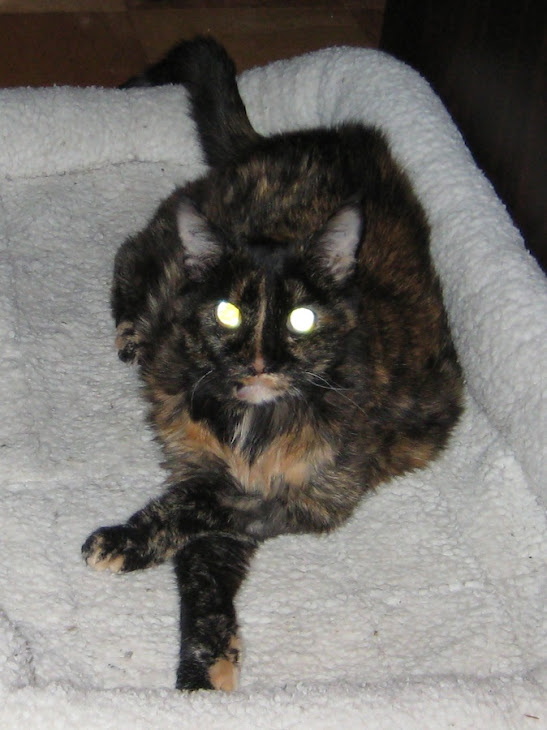
Welcome Back, Jack!
It was fantastic news that Jack, the cat who got lost in transit at JFK Airport in New York, was finally found! At this writing, Jack was still receiving veterinary care for fatty liver disease and muscle wasting from not eating for so long, but he survived his ordeal and will soon be reunited with his doting momma, Karen, who has been updating his fans via Jack's Facebook page.
Sadly, not all pets who fly are as lucky as Jack. 39 of them died in transit on U.S. airlines last year, up from only 23 the year before. While those numbers aren't staggering in light of the thousands of animals who fly each year, if yours was one of the animals who died, they most certainly become so. And in light of the hefty fees airlines charge for transporting animals, that kitty arrives alive should be a minimal expectation.
Problems with Air Travel for Cats
The trauma of flying affects all the animals transported, even those who make it to their destinations apparently unharmed. Unless otherwise arranged prior to flight, animals in carriers travel in the plane's luggage area. While it is supposed to be heated and ventilated, sound insulation there is not as great as in the passenger cabin, and temperatures can plummet if the heating is not turned on or not working properly. Short-nosed breeds like Persians and Exotics may have trouble breathing. And prior to being loaded onto the plane, animal carriers can sit for hours on luggage transport carts or the tarmac in heat or cold if there's a flight delay. There are even stories of some cruel airline baggage handlers taunting pets in containers for their own amusement.
Noises and smells of strange people, places and jet exhaust, especially while separated from his owner, can be highly disturbing to a cat who doesn't understand what this is all about. Such upsets can cause the cat to vomit up any food he eats or water he drinks, which can present a choking hazard at worst, and an uncomfortable environment for the rest of the trip at best. If your cat's carrier is damaged or comes apart from all the jostling about, your frightened cat could escape and hide, which is what happened to Jack, or run away to someplace that puts his life in danger from traffic, weather, or heavy machinery. No wonder kitty's scared!
Tips for Traveling Safely With Your Cat
The upcoming holidays mean that more people will be traveling with their pets. While most of us leave cats at home in the care of sitters, some may take them along. If you have to transport your cat by air, here are some tips to make the trip as incident-free as possible:
- Check with your airline prior to the trip to see if you can keep your cat in the cabin with you. Most cats will fit in a carrier that fits under the seat, and if you can do this, at least your cat will have you nearby to comfort him. Airlines limit the number of animals that can be kept in the cabin on any particular flight to minimize the impact on allergy sufferers, so booking this space ahead of time will not only ensure that you can keep your cat with you, but will even save you a little on kitty's airfare. Ask about any vaccinations or documentation you'll need to arrange for beforehand, too, so you can have all that done in time. Confirm this arrangement with the airline 24-48 hours before your flight.
- Make sure your cat's carrier is sturdy enough for airline flight. Our Travel Time department has many carriers, some with wheels, that are approved for airline transport. Double-check the dimensions of the carrier to make sure it meets your airline's regulations for the size of bags that will fit underneath the seat. Leave the carrier open in the house, with some of kitty's toys inside to get him used to being in it and thinking of it as a safe place that belongs to him. If you were not able to book passage in the cabin for your cat, get a carrier sturdy and large enough for him to be safe and comfortable for the duration of the trip. And make sure it meets your airline's requirements for markings, food & water dishes, and dimensions.
- Make sure your cat can be identified in case he does get separated from you. Microchipping is the best way to do this. But if you're reluctant to do that, make sure your cat has identification on both the carrier and on a harness from which he can't easily escape. Safety collars are too easily lost, and a collar that wouldn't release your cat if it gets caught could choke him. A harness is a much more secure item of catwear to use in transit. And if you need to take your cat out of the carrier, you can attach a leash to the harness to walk him, if necessary. The identification should contain your flight number, name, cell phone number, and your cat's name. Don't have a harness? We offer several styles in our Cat Collars, Harnesses & Leads section.
- If you can, take your cat out of the house in his carrier a few times in the weeks prior to your trip to get him used to the noises and smells of unfamiliar places. Think about it from his point of view: if the only time he goes in a carrier is when he's going to the vet to be poked and prodded, why would he be interested in it? When he sees that nothing terrible is going to happen while he's out with you in his carrier, he may grow more comfortable with travel, and may even start to enjoy seeing a few different sights.
- Sit quietly with your cat and explain to him what is going to happen on your trip, and why you're going on it. You don't need to use words for this; imagine the sights you will see, the sounds you will hear, and the smells you will encounter, and reassure him that it's all going to be okay. Picture in your mind the two of you peacefully riding along together, without incident. Imagine the pressure that builds up in your ears as the cabin is pressurized, and yawn to relieve it. Cats communicate in images and feelings. If you treat them with respect and try to help them understand why it's necessary for you to travel together, they will take it all more in stride. Kitty may not like it, or fully understand, but you'll find that he's much calmer if you've reassured him and given him some idea what to expect. You may want to have some of these silent "talks" with him as you take him out in his carrier. To those around you, you'll just look like someone who's lost in thought, not a crazy lady talking to her cat!
- The day before the trip, give kitty some extra exercise so he'll be a little more tired. Yes, it's a hectic time trying to remember to pack everything, but if you plan for this time in your schedule, it'll make it easier on you when the time comes. Feed your cat for the last time several hours before the trip, as a full tummy could lead to vomiting, which can be dangerous in transit. Avoid using a sedative for flying, as this can be fatal at high altitudes. Trim or file his claws a few days beforehand so he doesn't latch onto someone and cause injury out of fear.
- To comfort your cat, make sure you put his favorite blanket or toy in the carrier. Leave it unwashed, so it'll have his familiar scent on it. Feliway Comfort Zone spray may also be helpful. Since kitty will hopefully be with you in the cabin, you'll be able to reassure him with your own scent by putting a foot or a hand up next to the carrier's window so he knows you're with him. He may enjoy a little head scratch and a few soft words of comfort during scarier times. And you can continue to have your silent image conversations with him during the trip to explain everything that's going on around him.
- Be prepared. Carry with you your cat's medical records as required by your airline, a recent photo of him, his health insurance card, a first aid kit, and any medication he needs to take regularly. If kitty gets nervous and has an accident in the carrier, a clean-up kit with a few paper towels and a plastic baggie that zips to seal will be something you (and your fellow travelers) will be thankful you've packed. A small sample-size bag of his food or treats and a bottle of water may also come in handy. Just as you do, kitty needs to stay properly hydrated when flying. If there's any delay in your flight, which is more common in winter, you don't want to be caught without what he needs. But be careful of feeding him too much in transit, or you'll need that clean-up kit!
CheapFlights.com has an even more complete list of things to do when you're flying with your cat, along with a chart of the requirements and costs for transporting your cat on various airlines. They've really thought of everything. Safe travels, for you and kitty!


 Posts
Posts