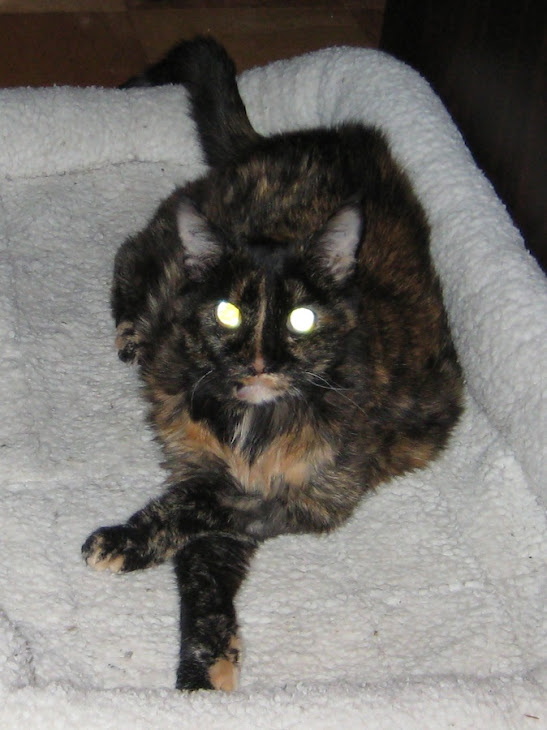
Saturday, February 6, 2016

A Less Stressful Vet Visit for Kitty

A Less Stressful Vet Visit for Kitty

Ever wonder how your cat just knows to hide because you're about to head out to the veterinarian? It's more than mere observation of our behavior patterns, or the sudden appearance of their carrier in the house. Our cats are in tune with our own emotions, so if we're feeling any apprehension, dread, or fear at the thought of taking them to the vet, they're going to pick up on that. They'll be in a hidey-hole faster than we can dig the carrier out of its storage closet.

But vet visits don't have to be this way! We can take steps to make those visits less stressful, both for our cats and ourselves. If you're building a relationship of love and trust between yourself and your cat, it will come in very handy at times like visits to the vet.

Before Appointment Day: Choosing a Veterinarian

If you've recently relocated, try to find a nearby veterinarian who specializes in cats. If there's not one of those available, check for one that has a separate entrance for cats. Ask friends or co-workers for recommendations. Most veterinarians have a website these days, which makes this research much easier than it used to be. If you search on a term like "cat veterinarian" and your city, it should yield the most nearby options. 

A clinic's website will tell you a lot about them. Develop a checklist of the factors important to you and use it to compare veterinary clinics. Do they automatically vaccinate every year, or do they to a titer test first to see which vaccines your cat actually needs? Are they a holistic veterinary clinic that embraces alternative remedies, or solely traditional allopathic medicine?

Having a nearby vet is good, as it minimizes the time your cats will have to ride in the car. While some cats enjoy a car ride, many do not. Something to do with motion not caused by themselves; cats are control freaks like that. But don't make proximity your main factor in choosing a vet. A longer drive can be justified if the level of care is worth it.

Choosing a clinic with multiple veterinarians on staff means that if the main vet is unavailable when your cat has an urgent need, someone will be there as backup. Find out what regular office hours they keep, and if they're available on call after hours, or if there's a nearby veterinary emergency clinic with whom they work. Do they have someone who monitors animals staying in the hospital overnight? Are their vet techs licensed or certified?

If they'll tell you, find out about their rates and ask if they offer any discounts for multiple-cat households, senior citizens, or military/veterans. Will they offer a payment plan for expensive procedures? What pet insurance plans do they accept?

Understand what philosophy of treatment you're seeking for your cats before you search. You can search on sites such as the American Animal Hospital Association (AAHA) for accredited members practicing traditional (allopathic, or conventional) veterinary medicine. The American Association of Feline Practitioners will direct you to clinics that have sought accreditation as a Cat-Friendly Practice.

The American Holistic Veterinary Medical Association will direct you to holistic vets. If you prefer a homeopathic approach, the Academy of Veterinary Homeopathy can direct you. If you're looking for even more alternative treatments, try the American Academy of Veterinary Acupuncture or the American Veterinary Chiropractic Association.

Outside the U.S., look for affiliation with the International Society of Feline Medicine (ISFM), which also offers accreditation as a Cat Friendly Clinic. ISFM also offers an Academy for continuing education and an ISFM Certificate or Diploma in Feline Nursing.

If you can, visit the office in person before booking an appointment. If you can, do this at one of their off-peak times, not first thing in the morning or late in the day, when a lot of people are dropping off and picking up their pets. Notice if parking is convenient and safe. Will it be fairly easy to unload your cat and get into the clinic from the parking lot?

Ask if you can tour their facilities. Make sure everything looks clean and well maintained. Notice the sounds and smells. Look at the room where the cages are: if it's not a cat-only practice, are cats and dogs kept in separate rooms? Listening to dogs bark can be horribly stressful for cats, especially when they're not feeling well. 

Does the clinic have a testing laboratory on site, or do they send off blood and urine work to another lab? What other equipment for diagnosis and monitoring do they have on site? These typically include an X-ray machine, ultrasound equipment, and EKG.

Chat with the doctor and staff who will be taking care of your kitty. Are you comfortable with them? Would your cat be? Are they pleasant to deal with?

Doing your homework before choosing a veterinarian can prevent unhappy surprises later on down the road. But even if you've already happily established a relationship with a veterinary practice, there are additional steps you can take in advance of your visit to make visits less stressful for your cats.

Before Appointment Day: Preparing Your Cat

Your cats should always be contained within a carrier when you take them to the vet. This keeps them safe from fearful escape or attack by canine patients, and protects them securely while in your car. But if the only time your cat sees a carrier is when it's time to go be poked and prodded by strangers at the vet, naturally it's going to have some negative associations.

When selecting the right carrier for your cat, make it one that can be secured inside the car. Then, in the event of an accident, your kitty won't become a missile being hurled through your windshield. Soft-sided carriers are often a good option, as most will fold flat for storage when not in use, and they're a softer, more home-like environment for your cat. Many come with a removable fleece liner for additional comfort. Some have a top opening that will make it easier for a vet to reach into it to examine the cat without having to remove kitty from the carrier. You may opt for one with wheels (or even a stroller) if you'll be transporting large or multiple cats in it. You won't need a food and water dish or a litter box inside the carrier for a short trip to the vet, so don't worry about those features. Old Maid Cat Lady had several excellent options in our Travel Time section.

Long before kitty's vet appointment, set up the carrier in a quiet place at home and make it an inviting environment. A favorite toy and a soft blankie accompanied by a new space to explore with an open door on the front will prove irresistible. Once your cat is freely going into the carrier to spend time, occasionally close the door on it and carry it around the house, calmly talking to the cat while you do. This will get kitty used to the sensation of being moved around while in the carrier.

If your cat is afraid of anything like the vacuum cleaner or house guests, help kitty see the carrier as a "safe place" of retreat during these times. Locating it in a quiet, out-of-the-traffic-flow spot is important here. When the time comes to load up for the vet appointment, you may just find your kitty already snoozing comfortably inside!

Our cats also listen to us when we talk to them. That talk doesn't even have to be out loud. Explain to your cats that they will soon be meeting a new person who cares about them and wants to help them feel good. Describe the vet's office, its sights, sounds, and smells. Imagine it in your mind as you talk to them about it. Tell kitty how these are not things to fear, but are an exciting new adventure. Do this repeatedly for a few weeks leading up to their first wellness visit. It may sound crazy, but I have used this technique successfully to prepare my cats for fireworks and a Blue Angels show in which the jets were flying right over our house. Neither one of those frightened them, and in fact they always enjoy them both!

If possible, take your cat for some rides in the car inside the carrier at some other time than when going to the vet. Start out with a short trip around the block. Play some soothing music at a low volume and talk to your cat for reassurance. Perhaps work up to going through the bank drive-through, or to a pet store where pets are welcome. It's good for your cat to get accustomed to seeing people other than you, and to understand that they're not all a threat. 

On one of these trips, you may even want to visit the vet clinic with your cat to greet the staff when there's no appointment scheduled. Just as with your initial visit for a tour, try to do this during one of their off-peak times of day to minimize stress. Obviously you won't want to leave your cat parked in the car somewhere, but get kitty used to the idea that a ride in the car is not necessarily a bad thing. 

These trial runs will also be a chance for you to see how your cat handles riding in the car. I've had cats who yowled the whole time, others who seemed to enjoy looking out the window at the scenery, others who wanted to be as close to me as possible, and still others who cowered in fear as low as they could get inside the back seat. Knowing in advance how your cat will react to the car ride can help you understand how to provide comfort and reassurance on vet appointment day.

You can also prepare your cat for the exam itself when doing your at-home health examinations. These will get kitty accustomed to being held and touched all over, as well as having the paws and mouth area handled.

Comforting Kitty On Appointment Day

When making your cat's checkup appointment, try to schedule it late enough in the morning so that kitty has had time to have breakfast and use the litter box ahead of time. If you need to deliver a stool sample to avoid one being taken at the vet, this will also give you a chance to collect it from the box in a baggie. (I know; ew!) We don't all have the luxury of a day off for a vet appointment, however, so you may need to take the cat in on your way to work.

It may help you to prepare anything you're taking with you the night before. If you have a list with questions for your vet, put that and everything else (other than the cat in the carrier) you'll be taking with you in the car or by your front door so you don't have to rush around in a hurry looking for it on appointment day. It wouldn't be a bad idea to also throw a few paper towels into the car in case of any potty accidents while in transit.

Whatever time the appointment, set your own mind in a calm, unhurried state. Think positive thoughts. Play or imagine some calming music; if you always have a tune running through your head, make a conscious decision to play a pleasant one. If your cat responds well to calming remedies, use one.

If your cat is still frightened despite all your conditioning and reassurance, take a towel with you (Douglas Adams fans will be smiling here) so you can cover the carrier. Some cats prefer to hide rather than to see scary surroundings. If kitty likes treats and is not under orders to fast before surgery, by all means bring some of those along. If your cat has carried any toys into the carrier, leave those in place for reassurance.

Talk to your cat, as you have been doing during your car rides, on the way to the vet's office. Play the same calming music as before and explain to kitty approximately what will happen during the appointment so it's not a complete surprise. Picture the vet's and staff's faces and the activities that will happen during the appointment. Imagine the sensations of the physical exam and let kitty know that even if not all things will be pleasant, the people there care and are doing this to make your kitty feel better.

When you arrive at the vet's office, keep your cat in the carrier and try to avoid scary things like big or barky dogs. Some cats may be comforted if you place your hand where they can smell it, or even give them a skritch on the chin through the door.  Your cat may want to rub its face on your hand for reassurance. But know your cat: if your kitty is stressed and in attack mode, don't risk injury by poking a finger into the carrier. Keep your silent calming talk going on, with pleasant, relaxing images and music in your mind.

Some cats become hissy, and even violent, when frightened. This is what you've tried to avoid by all your prep work. If your kitty is still acting scared despite all your efforts, that's okay. Keep up the calm talk and reassurance. Tell them you know this is scary for them, but that everything is going to be okay.

During the Appointment

If at all possible, remain with your cat during the vet appointment. You may not have this option, but dropping kitty off in a strange, noisy place filled with unfamiliar smells and then leaving is not reassuring. Kitty will be wondering if you're ever coming back, and may be stressed even if having already met the vet's staff.

Usually, the staff will usher you into an exam room a few minutes before the doctor comes in. This gives you time to get your cat comfortable with the room. Once the exam room door is closed, open the door of the carrier and let your cat emerge at will. Some will opt to stay put, or even burrow under the liner or towel. Others will want to explore. It's a good time to play with your cat with a toy, and to keep up the reassuring talk. These are good distractions from any fear kitty may be feeling. Keep a close watch on the cat, as the door could open at any time, and you don't want kitty to make a break for it! Be ready to grab the cat quickly when the door opens.

If you're familiar with the Tellington TTouch method of comforting your cat, use those gentle, circular motions to comfort your cat while waiting for the doctor. Even if you've never been trained in the method, any type of touching that comforts your cat is useful. If your cat is one who prefers not to be touched when under stress, continue your calm talking, whether aloud or mentally. Remember, cats will pick up on your own emotions, but they will also sense those of other animals and people in the clinic. Not everybody will have been as prepared as you. Pay attention to kitty's body language. You know your cat well enough to recognize what's needed.

When the vet arrives in the examining room, remain in the room with your cat, holding the kitty for any vaccinations if possible. If you have a hissy or violent kitty, this may also be good protection for your veterinarian!

Sometimes one of the technicians will appear first, and carry your cat out to the scales for weighing, or to perform some other preliminary work. The staff or vet may also carry your cat to another room for a blood draw or extracting a urine or fecal sample. You can still keep up your calming mental talk with the cat during this time, reassuring kitty that even though this may not feel good for a moment, it'll soon be over.

Once back in the carrier, your cat may be slightly agitated, but most just want to hide and get back home. It can't hurt to continue reassuring your cat and telling kitty how brave and good he or she has been and how proud you are.

After the Appointment

The drive home should be similar to the drive to the vet's office: soothing music playing, you talking to kitty about how you'll soon be back home.

Your cat may not feel terribly social, especially if vaccinations have just been administered. Kitty may make a dash for a favorite hidey-hole, or may choose to remain in the carrier. Place that back in its safe spot and open the door so your cat can come out at leisure.

If you have more than one cat and only one has gone to the vet, the others in the house may hiss or growl at the returning cat. Smells from the vet's office will be on kitty, and those are unfamiliar so they may view him/her as an intruder instead of a family member. If this happens, try to keep them in different rooms for a short time until the vetted cat can groom and relax a little. You may want to leave the carrier latched with kitty inside while the others sniff it down. Soon they'll all be friends again. A calming remedy in the room may again prove helpful.

Rewarding your cat with a nice treat or a dish of a favorite food once returning home can help associate a vet visit with a pleasant experience. If the cat tries to sulk for too long, try dangling a favorite toy to engage kitty in some playtime. If that doesn't work, just give your cat a little time. They'll all forgive us eventually.

Don't feel like bothering with all of this? Many communities have a mobile veterinarian who can come to your house; check online to see if yours is one.

Yes, it's a lot of work to make sure that your cats are properly vetted, but catching many health problems early will save you a lot of money in the long run and could even extend your cat's life. Hopefully these tips have helped you overcome some of the anxiety about it!


Thursday, February 4, 2016

Your Cat's Annual Veterinary Exam


Your Cat's Annual Veterinary Exam

February is National Cat Health Month, so we're examining all the aspects of keeping our kitties healthy this month!

Many of us dread taking our cats to the vet. It's obvious that they don't like to go. They hide under the bed, in a back corner of the closet, or some other hidey-hole they've found that we haven't discovered yet. When we get them out, they try their best to stay out of the carrier. Once we've treated our injuries with a little first aid, we finally get them in the car and accomplish the deed. After returning home, kitty sulks for a while before finally forgiving us. Pretty much sums it up, right?

But the difficulty involved is no reason to forgo an annual veterinary exam for your cat. Around a third of all cats in the USA don't get an annual visit to their vet. Even if you're doing monthly wellness checks on your cat at home, kitty still needs to be examined by a pro at least once a year. Geriatric cats and those with chronic diseases may need more frequent visits, usually every six months.

Some of us may have financial difficulties that we feel necessitate postponing kitty's wellness visit. But the cost of treating certain diseases or conditions that are left undiscovered can be far beyond what we would have spent on an annual wellness visit. Even researching your cat's condition online is no substitute for the trained opinion of a veterinarian. Scrape together that money from somewhere, and get your cat to the vet!

More Reasons for an Annual Feline Wellness Exam


Even indoor-only cats need an annual wellness exam. Here are several things your vet can do that you can't:
  • Weigh your cat on accurate scales
  • Do an extensive physical exam of your cat with a trained eye and hands, including areas like the anal glands you'd probably rather not explore
  • Taking your cat's temperature, which normally runs from 101-102.5, to check for a potential hidden infection
  • Listen to your cat's heartbeat to check for irregularities
  • Update any outdated vaccinations to protect your cat from disease
  • Pull bloodwork to test for abnormal cells, parasites, sugar balance, and other issues
  • Check for progression of any previously identified health issues
  • Run a urine check to test for healthy renal function
  • Do a fecal exam to check for intestinal parasites
  • Handle any indications of dental or gum disease
  • Take X-rays and perform other medical tests requiring specialized equipment
  • Spay or neuter kitty, if this hasn't already been done
  • Prescribe heartworm preventative
  • Monitor the effectiveness of long-term medications
When you visit the vet with your cat, try not to just drop off kitty on the way to work and pick him up at the end of the day. If you're with your cat in the examination room, it not only helps calm kitty, but gives you an opportunity to discuss anything you've observed in your monthly home health checks. Make notes on anything you find during those checks and take that list with you so you can remember to ask the vet about them.

Are Cat Vaccinations Safe?


While there is a growing movement opposing vaccinations, they can save your cat's life. Their benefits far outweigh any negatives about them. Your city or town likely has a law governing rabies vaccinations for pets, including cats. An annual booster for this should be fine; it's the multi-year variety that has been associated with cancerous lesions developing at the injection site. If you're concerned about this, ask that your cat receive the rabies injection in the leg if possible. Most vets have adopted this practice by default.

Every cat should be vaccinated when young with these core vaccines:
  • Feline panleukopenia (feline distemper)
  • Feline viral rhinotracheitis
  • Feline calici virus
  • Rabies
Additional optional vaccinations that could protect your cat from serious illness include:
  • Feline leukemia (FeLV)
  • Chlamydia
  • Feline Infectious Peritonitis (FIP)
  • Ringworm
There has been some debate over the effectiveness of the FIP vaccine, and it is generally not recommended. Having lost a cat to that terrible disease, however, I can say that if there's a chance it works, it would be worth getting. Your vet should have the latest information on it, so that advice is a better source. The ringworm vaccine is also not generally recommended, so ask your vet whether there's a genuine need for that one. 

Your cat's lifestyle, general health, and environment are all considerations in what vaccines to give. Boosters recommended by the American Association of Feline Practitioners to be given every three years include:
  • Feline panleukopenia
  • Feline viral rhinotracheitis
  • Feline calici virus

Special Tests for Senior Kitties

If your cat is getting up in years, many vets like to run a senior panel of tests on them. These check for issues like diabetes, proper kidney function, and hormonal conditions like hyperthyroidism that frequently affect older cats. When identified early, many of these conditions can be treated to minimize damage to your cat's body and provide not only more longevity but a better quality of life.

Just as with us humans, older cats also suffer from gum disease and dental problems more frequently as they age. Many of them also develop cataracts in the eyes, osteoarthritis, or impaired hearing. If they get old enough, some even develop a form of feline dementia. Your vet's trained eye can spot these more readily than you can in your home wellness checks.

Any notes you've made during your monthly health exams at home should be discussed with your vet during your senior kitty's appointment, as well. These may include observations about litter box avoidance issues, changes in eating or drinking habits, and difficulties with mobility.

How do you know if your cat is old enough for these tests? The latest Feline Life Stage Guidelines compiled by the Feline Advisory Bureau of the American Association of Feline Practitioners refers to cats 7-10 years old as "Mature", 11-14 years old as "Senior" and 15-25 years as "Geriatric." Mature cats are the equivalent of a human from ages 44-56. Senior cats are like humans from ages 60-72, and geriatric cats most similar to humans 76-116 years old.

Whatever your cat's life stage, your veterinarian is an important partner in making sure your cat lives the longest, healthiest, happiest life possible.

Next up: A Less Stressful Vet Visit!

Tuesday, February 2, 2016

February is National Cat Health Month!

February is National Cat Health Month!

According to figures on the ASPCA's website, there are an estimated 74-96 million owned cats in the United States. We won't get into a debate over that fairly wide margin, or over just who "owns" whom when it comes to cats. Suffice to say that a lot of us share our homes with one or more feline companions!

However, these cats visit their veterinarians far less often than do our canine companions. Here are the top reasons cats make a trip to the vet, according to VPI Pet Insurance:
  1. Renal (kidney) failure
  2. Hyperthyroidism
  3. Diabetes
  4. Bladder infection
  5. Stomach upsets
  6. Diarrhea
  7. Ear infection
  8. Lymphosarcoma
  9. Pancreatitis
  10. Tooth infection
Now, these are likely based on the claims this insurance company has received, but it's interesting that a wellness check is not anywhere on that list! Many of the conditions listed above cost a lot to treat. How many of them could have been prevented, or their severity lessened, with proper wellness maintenance?

So why aren't we taking our cats to the vet for checkups? Many people say it's too stressful for the cat, it's too hard to get them into their carriers. More often, it's because they have the mistaken idea that cats are somehow self-maintaining and don't need veterinary care. 

It's true that cats mask the symptoms of illness until they are quite seriously ill; this is a survival trait that harkens back to their wild roots. And if they "seem fine" we want to think they are. Perhaps in our busy lives, we're just not paying enough attention to early symptoms of health issues in our cats. And we don't want to be on the other end of the spectrum, grabbing up our kitties and running to the vet for the least little thing...do we?

Cats should be seen at least annually by their veterinarians. This gives you a chance to make sure your cat's vaccinations are up to date and that you have proper flea prevention for your cat's age and weight. Older cats and those with existing health issues need to go more frequently. We should also be doing monthly health checks at home, which can be incorporated into a loving cuddle session. An added bonus: the more our cats get used to being handled and checked over by us at home, the more comfortable they'll be when the vet does similar things in the office!

Checking Kitty's Health at Home

While petting your cat, notice the condition of the skin and coat. Is it sleek and shiny? A dull coat could indicate a lack of essential fatty acids in kitty's diet. Geriatric cats will get a "greasy" appearance to their coats because they don't groom as thoroughly as when they were younger. Bald patches in the cat's coat could mean a flea infestation or an allergic reaction to something in the diet or environment. Some cats will also lick bald patches in their coats due to stress.

Continue petting as you discretely check the condition of your cat's body. Look down at the cat from above while he's standing. Are there any bones showing? If so, your cat is underweight. Does kitty have a sculpted "waist" or does the silhouette bulge with obesity? Can you feel the ribs with your fingers while your thumbs are along the cat's spine? Good; that's a healthy weight! You can also check for dehydration by pulling up a section of skin along the cat's spine area to see if it springs back into place immediately. If not, find out why your cat isn't drinking enough water.

Examine your cat's paw pads and claws. Acclimating kitty to having the paws handled is very important. You should be trimming your cat's claws every few weeks to keep them from getting too sharp and growing down into the pads. This is much easier if your cat doesn't mind having the feet manipulated. You should be able to hold each paw gently, pushing out the claw to check on its condition and length. Swollen pads could be indicative of pillow foot, or could mean an injury.

Look into your cat's eyes. Are they clear? Any redness or swelling may indicate an injury or infection. Most cats will produce tears or a discharge from their eyes due to a piece of dust or hair getting into it, but if there's a more serious looking discharge or crusting, it could indicate a health problem. Some cats get a brownish stain from yeast around the eyes, and there are products to treat this. But an underlying health issue should be ruled out by a veterinarian.

While you're smooching on kitty's face, take a look at the nose. This is a common area for cancerous lesions to show up. Just like our own noses, it's more exposed to the sun. Unusual bumps that didn't used to be there could be serious. Ginger kitties may develop black freckles there, which are okay as long as they're flush with the skin and not sticking up. And cats are more sensitive to environmental pollutants, so if you live in a dusty environment or you smoke, consider getting an air filter for the areas where your cat spends a lot of time.

Examine your cat's ears, both inside and out. Look for any injuries or bleeding, wax buildup, dirt or other foreign debris. Dirty ears may actually be a sign of ear mites, which can get out of hand quickly if not treated. Cats are usually good about cleaning their ears, especially if they have mutual grooming sessions with their companions. They tend to like the taste of ear wax...likely part of God's purpose for this is so they'd keep their ears clean! Older cats or those with an injury that restricts their access to their ears may need help. There are products to help you keep your cat's ears clean, if you need them.

Most cats are a little funny about having their mouth examined, but they'll get used to it the more you do it. If you can, get them accustomed to having their teeth brushed daily. This will not only keep their teeth and gums healthier, but also make things easier when it's time to examine kitty's mouth more thoroughly. This is another place where cancerous lesions can be noticed, so pay attention to any new lumps, lesions, or sore places. Gums should be a healthy pink, not red, and should not be bleeding or swollen. The teeth should be clean and white, not covered with tartar.

Something we can forget when checking kitty's mouth is to examine the lips and chin. Ginger kitties can get black freckles on their lips and chins just like on their noses, but sometimes these can become skin cancers. So keep an eye on them. Cats can develop a condition called rodent ulcer on the chin; it's usually not serious, but should be diagnosed by a vet to make sure it's not something else. Feline acne can also develop there if you're feeding your cats from a plastic dish or not keeping it clean enough.

Listen to your kitty's breathing. You don't need a stethoscope to do this, just notice if it's regular and unlabored. Cats typically breathe faster than we do, especially if they've been playing. But any wheezing or panting may be indicative of a respiratory problem. There are many things that can cause a feline upper respiratory infection, and a vet's diagnosis should be obtained.

While playing with your cat, observe how kitty moves. Is anything different from usual? Is the cat favoring a particular paw, or walking painfully from arthritis? Cats that appear dizzy may seem amusing to some, but there's nothing funny about it. Such behavior could be indicative of a serious condition that warrants examination by a veterinarian.

Any changes in your cat's eating habits may also be cause for concern. Cats who don't feel well will not eat properly. While all of them can be a little finicky at times, observe your cat's behavior if she's off her food to see if other symptoms may indicate that a trip to the vet is in order.

You don't have to do all of these checks at once, but try to work at least one of them in while loving on your cat. Do a different one every few days, and you've got a monthly health check done!

Next up: We'll look at what should be included in an annual veterinary exam for a cat.

Friday, November 13, 2015

Spotlight: Diabetes in Cats


Diabetes in Cats

November is National Pet Diabetes Month, so I decided to take a closer look at diabetes in cats. There's certainly a lot of information out there! I've compiled it into one overview that, while lengthy, looks at diabetes from all viewpoints.

Because it deals with the blood sugar, diabetes is also called diabetes mellitus or "sugar diabetes." It's a condition that was first recognized in the 1940s. One estimate stated that diabetes affects only up to 2% of all cats, but its incidence has been increasing since the 1980s. Here's the latest on it:

What Causes Diabetes in Cats?

In a normal cat's body, the digestive system breaks down the proteins, fats, and carbohydrates in food into tiny components that can be used by the body's cells for fuel. One of these tiny components is glucose, also known as blood sugar or serum fructosamine.

When it senses a rise in blood sugar, beta cells in your cat's pancreas produce insulin to regulate the level of glucose in the bloodstream and its storage in tissues. Insulin allows glucose to enter the cells so they can use it for fuel.

The liver stores glucose as glycogen. When blood sugar declines, alpha cells in the pancreas produce glucagon that triggers the liver to convert glycogen back into glucose because the body's cells are hungry for fuel. Studies in the last decade have shown that the liver can produce insulin, as well, to process simple carbohydrates in the diet.

A cat's kidneys serve as filters that remove waste products from the bloodstream and return essential nutrients to the cat's body. Glucose is usually one of these returned nutrients. But when the glucose level becomes too high, the kidneys can no longer process it all. The excess sugar is passed into the bladder for excretion in urine. There, it attracts water, dehydrating the cat and driving thirst. Bacteria love sugar, too, so they are drawn to the now sugar-rich urinary tract, where they can cause secondary infections (UTIs).

Along with the sugar, the kidneys will pull out certain electrolytes that should have been passed back into the bloodstream. The cat's levels of sodium and potassium will drop, causing weakness and lethargy.

Both insulin and glucagon are necessary for normal metabolism. They work in tandem, regulating the bloodstream's glucose level so that all the body's cells are properly nourished. The pancreas and liver work together to control their relationship.

Blood glucose level is also affected by many other factors beyond insulin and glucagon, such as:

  • enzymes secreted by the pancreas into the small intestines
  • epinephrine (adrenaline)
  • cortisol (cortisone)
  • feline growth hormone


The feline body needs far less carbohydrates than do our human bodies. Cats are obligate carnivores, lacking a specific liver enzyme that allows for proper processing of carbohydrates. Their gastrointestinal tract is far shorter than a dog's or a human's. Designed to get most of their nutrition from protein, their bodies simply aren't efficient at metabolizing carbs from grains and actual sugar.

In nature, cats would eat a diet consisting of perhaps 2-3% carbs. Most dry cat foods contain 35-50% carbs. Is it any wonder our cats are becoming obese and developing diabetes with increasing frequency?

In some diabetic cats, beta cells in the pancreas do not produce enough insulin to regulate blood sugar. This is referred to as Type 1 diabetes. It is quite uncommon for cats to have this, but most commonly affects cats in middle age. It is always insulin-dependent. A cat with this type may be able to maintain enough insulin to be fine most of the time, but when put into a stressful situation, diabetic symptoms may start to appear.

Or the cat's cells may have developed some type of resistance to insulin -- this is more common in cats suffering from obesity. Fat cells produce a substance that decreases the cells' ability to respond to insulin. Cats with an overactive thyroid gland (hyperthyroidism) can also develop insulin resistance. This condition is known as Type 2 diabetes. Metabolism of carbohydrates, proteins, and fats will become abnormal. The organs will all be working harder to push all that excess sugar out of the body. Damage will eventually lead to lowered insulin production in Type 2 diabetes, as well. About 1% of all cats will get Type 2 diabetes, which works out to around 800,000 kitties in the United States alone. Stress can push some cats with Type 2 into Type 1 diabetes.

There is also a Type 3 of diabetes. It is usually due to other diseases that have damaged the cat's pancreas and is extremely rare. The cat's immune system attacks the beta cells in kitty's pancreas that generate insulin. Immune cells bring along a compound known as amyloid that is toxic to these beta cells.

When the brain's appetite center senses that blood sugar is low, it generates an urge to eat. In a normal cat's body, this would spur the cat to eat food that the body would then break down into glucose to feed the cells. But when insulin levels are decreased, this center cannot sense glucose in the blood, so it mistakenly thinks the cat needs to eat. Eating makes the blood sugar rise even more, giving the body excess sugar to process.

Before developing diabetes, cats -- just like people -- can go through a pre-diabetic state. During this time, their pancreas is working as hard as it can to produce insulin to combat all the carbohydrates in the diet. These persistently higher levels of blood sugar will finally exhaust the pancreas so that diabetes sets in. But if caught early, proper management of the cat's diet can completely reverse the damage.

Some cats also experience transient diabetes, in which they may be dependent on insulin for a while, then lose the need for it. This may come and go. The stretches where insulin is not required may be only days or can go on for months.

Because the glucose they need for fuel cannot enter the cells, it has to go somewhere else. The cat's liver and kidneys start working at their maximum capacity to eliminate this sugar. Excess glucose will be eliminated in the cat's urine. Once the liver has stored all the sugar it can and the kidneys are processing as much as they can, that sugar starts going into the bloodstream. Excessive sugar (glucose) in the bloodstream is known as hyperglycemia.

Many factors can come into play with diabetes:

  • Diet, especially feeding dry cat food (kibble)
  • Weight
  • Genetics
  • Stress
  • Inflammation
  • Some viral diseases
  • Autoimmune diseases
  • Physical trauma
  • The cat's exercise level
  • Toxins
  • Medications, especially steroids and beta blockers

How Does Diabetes Affect Cats?

Cats with diabetes are suffering from having the fat and protein stores in their bodies broken down to use for energy. Their organs are either functioning at maximum capacity, or being broken down for fuel.

If left untreated, diabetes will shorten your kitty's life. With their fuel being diverted instead of absorbed, the cat's cells are not receiving proper nourishment. In essence, the cells are starving. Kitty's body begins breaking down its own fat and muscle protein to get the energy the cells need in an attempt to normalize metabolism.

High levels of ketones in the bloodstream will make a cat thirsty as normal metabolism is disrupted. Excessive thirst is also the result of vomiting caused by these ketones. They change the blood's pH balance and can lead to fatty liver disease. The cat's electrolytes get out of balance and kitty will go into a supplementary condition known as diabetic ketoacidosis. This is a medical emergency that can be fatal. More on it in the section on symptoms below.

Cats with diabetes can develop liver disease and secondary bacterial infections. When untreated, diabetes can also develop high blood pressure. The kidneys can become damaged from processing all that excess sugar.

Some diabetic cats will have diabetic neuropathy, just like humans. Some old-school vets will resort to amputating limbs affected by this rather than addressing the diabetes more aggressively.

Where cats differ from humans is that diabetes will not typically damage a cat's kidneys, blood vessels, or coronary arteries, nor do cats tend to have vision problems from diabetes. Another significant difference is that the beta cells in a cat's pancreas can sometimes be revived and actually start producing insulin again! We humans can't do that.

What Puts a Cat at Risk for Diabetes?

While no specific breeds of cats are more prone than others, there are several risk factors that can make a cat more susceptible to diabetes:
  • Age: over 6 years
  • Obesity
  • Being male and neutered
  • Inactivity
  • Chronic pancreatitis
  • Various hormonal/endocrine diseases: acromegaly, Cushing's, hyperthyroidism
  • Some medications: corticosteroids, beta blockers, megestrol acetate
  • Being a Burmese cat in the UK, Australia, or New Zealand
  • Chronic renal (kidney) failure
If your cat has been affected by any of these, be especially diligent in looking for symptoms that could indicate diabetes.

The one most prevalent risk factor for a cat developing diabetes is a diet consisting mainly of dry cat food (kibble). This is something that is completely controllable.

What Are the Symptoms of Feline Diabetes?

Cats are good at masking symptoms of illness until they are almost dead, so watch carefully for any signs of diabetes. Earlier treatment is always better, as it will minimize the damage caused to your cat's body by excess glucose.

Your diabetic cat may eat more, but still lose weight. These cats may become almost ravenous. They will urinate more often and seem excessively thirsty. There may be more "accidents" of urination outside the litter box. You may notice problems with your kitty's skin becoming dry and flaky and the coat appearing dull and oily.

Some cats will lose their appetite. They may nap more. As their bodies consume existing stores of fat and then muscle tissue, they will become thin and bony through the back and in the back legs. Eventually, this process will start to attack cells in the brain, heart, and lungs. As the kidneys become clogged with ketones from the digestion of muscle tissue, they can clog and will eventually fail.

If your cat suffers from diabetic neuropathy, you may notice kitty walking differently to take pressure off the painful area of the paw pads. Their gait will become more flat-footed instead of walking on their toes like cats normally do. As the muscles of their back legs are broken down to feed the body's cells, they can become weak. You may notice the rear legs wobbling as kitty walks.

Cats who go into diabetic ketoacidosis (DKA) will lose their voracious appetite and begin to vomit and have diarrhea. It can be brought on if your diabetic cat has not had enough food, or enough insulin, or has developed a high insulin resistance due to other health problems. The cat may not eat for more than 12 hours. They will become lethargic and weak, unable to keep enough water in them to stay properly hydrated. They may walk into things or circle inexplicably. These cats may stagger as though drunk. Their breath may smell like fruit or nail polish remover. These cats may also start to shake or have fast, labored breathing. In severe cases, they may lapse into a coma. Obviously, cats exhibiting these symptoms need to be taken to the veterinarian immediately.

When your veterinarian checks for diabetes, this is done by examining the cat's symptoms and testing the levels of sugar in the blood and urine. This can be tricky, because many other conditions can cause cats to have higher than normal blood glucose levels -- even stress. A test for serum fructosamine, which shows sugars attached to proteins in the blood, can improve the chance of a correct diagnosis. Another test they can run is for glycosylated hemoglobin, which can reveal an average blood glucose level for the past 2-3 months. For optimal results, they will ask you to withhold food from your cat for 8-12 hours before taking samples to run these tests.

High sugar level in the urine is called glycosuria. In addition to high levels of sugar, your vet will look for ketones, the result of the cat's body digesting its own fat and muscle protein, in the urine.

How is Diabetes Treated in Cats?

The first step is to work in tandem with your veterinarian. Managing diabetes is complicated and every cat's system is different. You need the help of a trained professional to do it correctly. While there are many online sources of information, some of them conflict and can be confusing to the layperson.

If your cat has developed ketoacidosis (DKA), hospitalization is necessary. It is considered to be a medical emergency. Your vet will administer fluids, electrolytes, and carefully regulated insulin injections until glucose and ketones are under control and kitty is stable enough to go home. The vet may also treat any secondary bacterial infections or other diseases that may have set in as a result of the condition.

Cats who are diagnosed earlier are treated in a variety of ways. Remission of the diabetes is always the goal. Each cat's system is unique and treatment will vary from individual to individual. A mere change of diet may put the diabetes in permanent remission in some cats. This should be the first course of treatment in most cases.

The cat's diet is the most critical thing that must be addressed, especially if obesity is a factor. Gradual weight loss is essential, no more than about 1% of the cat's body weight per week. Steer clear of kibble diets advertised as "weight control", as they tend to substitute carbohydrates for the protein kitty needs. Feed only wet foods (canned, pouched, or defrosted frozen). Keep a weekly log of your cat's weight. You may want to invest in a baby scale to get the most accurate numbers.

In the past, eating food higher in fiber and complex carbohydrates was recommended for overweight cats. A diet like this shifts the cat's digestion into a lower gear so that sugar is released more slowly into the system. This, however, typically works better on cats with Type 1 diabetes, which is quite rare. Remember, a cat's natural diet is very low in carbohydrates. Be wary of the high-priced "prescription" foods only available from your vet, as many of these are actually higher in carbohydrates than is healthy for a diabetic cat.

Especially in cats with Type 2 diabetes, vets are increasingly advocating an immediate change in diet and careful monitoring for 3-5 days to see if that alone can reverse the cat's diabetic state. Most recent studies point to a diet high in protein and low in carbohydrates. A grain-free food is essential. Especially avoid rice, corn, and potatoes. Cats do not need fruit or vegetables, either. Small meals 2-3 times per day are preferred instead of one large meal to stabilize blood sugar levels. A supplement containing Omega-3 fatty acids can be helpful if kitty's skin is dry and flaky, especially if you're feeding a low-fat diet.

This dietary change can quickly send diabetes into remission in many cats so that insulin will no longer need to be given. When switching a diabetic cat to a low-carb diet if you're also giving insulin, you'll need to carefully monitor blood sugar daily to avoid the dangerous condition of hypoglycemia (discussed below).

Underweight kitties may be given a high-calorie diet to get back up to optimal weight. It's preferred that you switch to timed feedings instead of allowing your diabetic cat to free-feed throughout the day. Feedings will need to correspond with insulin injections and should be given at the same time each day. Portions should also be controlled.

Homeopathic treatments for diabetes include administering tinctures including Belladonna 30C, Natrum muriaticum 6C, Phosphorus 6C, and Thuja 30C. One mixture we used to sell on Old Maid Cat Lady was GlucoEnsure by PetAlive. Its combination of homeopathic elements support the cat's pancreas to help it produce insulin.

Vets who use herbs have many herbal options for treating diabetic cats. These include fenugreek seed, gymnema sylvestre, bitter melon, and turmeric. Do not attempt these therapies on your own, however; they require the expertise of a professional to get the correct balance. Typically such treatments are used in conjunction with dietary changes and insulin treatment.

Acupuncture has also been used as supportive treatment for diabetes. It is said to work by clearing lactate from the kidneys and liver and increasing the production of cortisol. While not a substitute for conventional treatment, it can also have positive effects on the pain and inflammation associated with diabetic neuropathy. Acupuncture can also be quite effective for cats with transient diabetes.

Another supportive treatment for diabetes is massage. It can help with the tightness that sometimes accompanies diabetic neuropathy, but will not address the insulin insufficiency that causes diabetes.

Diabetic cats may need insulin that can be administered orally or via injection at home. Injections are typically given in a cat's side, where circulation is good. They are always given in conjunction with meals. Your veterinarian will show you how to give the injections. Thanks to tiny needles, many cats do not even notice that they're receiving them!

Current types of insulin being given for diabetic cats are Lantus® (Glargine insulin), ProZinc® (protamine zinc insulin, or PZI), and Vetsulin® (Lente insulin). PZI is developed from cow or pig insulin, which are closest to the type naturally produced by cats, so it is the preferred type of insulin for treating feline diabetes. The newest of these is the Glargine, which is also used for humans, but it is more unpredictable and difficult to manage when used for cats. It is also more expensive. And it can produce an allergic reaction in some cats. Lente use is increasing in cats. It is made from pig insulin. Some vets use Humulin® for cats, as well.

The type of insulin administered is important, as it can determine whether the cat will need insulin for the rest of its life, or just until glucose is normalized and the diabetes appears to be in remission. Each cat responds differently to each type of insulin, however, so your vet will be the best judge of which to prescribe for your kitty. A 1969 study revealed that insulin also increases by up to 250% the risk of heart attack and stroke. So it is nothing to be taken lightly.

If you must inject insulin, the cat will usually require two injections per day. You will also need to check kitty's blood sugar daily, usually about 6-8 hours after an insulin injection. This is done using the same type of equipment used to check blood sugar levels in humans. The Abbott Precision Xtra meter is commonly used. Urine sugar can be tested with Keto-Diastix strips. There are even some cat litters that now contain crystals that will change color in the presence of ketones in the urine.

Glipizide is a type of insulin that is given orally to lower blood sugar. It is not recommended for most cats, as the injections work better. Not only does this form cost more, it can take up to 10 weeks to become effective. There are also a few side effects of the oral medication: vomiting, appetite loss, and liver damage. But these are uncommon.

Monitoring blood sugar is important during treatment, as getting too much insulin can cause it to drop dangerously below normal. This condition is known as hypoglycemia. Cats suffering from it will grow weak and listless, appear uncoordinated, and possibly go into convulsions or coma. If you don't catch it in time, it can cause brain damage or even be fatal.

Most cats function normally, when relaxed at home, within a range of 60-100 blood glucose, even though a range of 80-130 is considered normal. In a stressful situation, a cat's blood sugar can temporarily spike to a level of 300-500. It's when this elevated level becomes consistent that problems occur.

If your cat's blood sugar check shows a level lower than normal, immediately feed the cat a small meal of wet food high in protein. Cats who have progressed to the stage of hypoglycemia to the point that they are unable to eat are even more critical. Some vets advise to rub a little corn syrup on their gums or give it directly into the mouth by syringe, while others say never to do this. Because of this uncertainty, it's far better to manage your cat's diabetes responsibly so this condition does not occur. Obviously, hypoglycemic cats who are unable to eat need to get to the vet immediately.

Once your cat is diagnosed with diabetes, you'll need to carefully watch for the warning signs that initially alerted you to the condition. Blood sugar consistently above 150 is a problem. Check with your vet if you see these symptoms again, as they could indicate a need to adjust kitty's insulin dosage.

A new therapy being tried by naturopathic veterinarians involves using animal tissues and pancreas extracts to repair damage to your cat's organs and glands. Since cats in the wild would consume whole prey, they would get these nutrients naturally. In our highly processed commercial pet foods, however, some of the organs present in whole prey are removed. Results of this therapy are few, but promising.

You will need to visit your vet about every 3-4 months for follow-up testing. When managed properly, cats with diabetes can live for many more years and enjoy a good quality of life.

How Can I Prevent Diabetes in My Cat?

Prevention really is far preferable to going through an exhausting and expensive course of treatment! Diabetes is not curable, per se, but the more common Type 2 diabetes can go into remission when successfully managed. Since weight plays such a large role in diabetes, keeping your cat at an optimal weight is a great way to keep from having to give injections and do blood tests!

Stop feeding your cat dry food (kibble). It may be convenient, but it's unhealthy. Since all dry cat food contains carbohydrates your cat's body can't process, it's safer to stick to a wet (canned) or raw diet to keep your cat healthiest. This is also a much better way to control portions so that your cat doesn't become obese. Many veterinarians tell us that it's our modern over-reliance on the convenience of dry kibble for cats that is causing the recent upsurge in feline diabetes. It's the equivalent of feeding your children a diet composed mainly of French fries and breakfast cereal. They may love it, but it's not healthy.

Even among canned foods, there are differences, however. And price alone is not a factor; many high priced and "prescription" foods are too high in carbs for your cats. And some lower-priced foods are better than you'd think. Canned foods with a lot of gravy or sauce tend to also be heavier in carbs. Ignore the marketing hype. Read the small print on cans, but be aware that those figures may be years old and not reflect what's actually inside that can you're holding. Find a food that gets less than 10% of its calories from carbohydrates.

A cat's natural diet is whole prey. This is about 45-70% dry protein, 15-35% fat, and under 5% dry carbohydrate. If you must feed a commercial cat food, look for one with a makeup as close to these percentages as you can find. There are also places where you can buy frozen whole prey to feed your cats: baby mice ("pinkies"), quail, etc., if you have the stomach for preparing and serving it. Many cats will readily switch over to eating these, even if they've been fed exclusively kibble before.

Watch the fat content in canned food, as well, especially with lower-priced brands. Fat is cheaper than protein, and it makes the food tastier for the cats, so read those labels. Look for diets higher in muscle meat, without vegetable proteins like soy, or grains. Cats cannot survive on a vegan diet. Meat by-products are fine, as these are usually organs a cat would eat naturally on a whole prey diet. You may choose to start making your own cat foods. There are many online guides that can show you how to do this, including some of the sources listed at the end of this article.

Encourage your cat to exercise daily. This is easy, as cats love to play! It can be done by providing plenty of toys and climbing structures, but also by playing with your cat each day using interactive toys. The interaction helps cement the bond between you and your cat, as an added advantage. This will also make your kitty happier emotionally, which leads to better behavior.

Keep track of your cat's weight, water intake, urine output, and appetite. If you notice any changes, especially if all four of them change relatively quickly, visit your veterinarian. Again, diabetic cats should be seeing their vet about every 3-4 months. This is especially important for cats who are over 10 years old.

A diagnosis of diabetes is certainly an inconvenience and an expense, but with proper treatment your cat may recover completely. At the very least, you should be able to enjoy many more years with your kitty!

Sources: "Feline Diabetes", Cornell Feline Health Center; "Diabetes Mellitus in the Cat", Winn Feline Foundation; "Feline Diabetes", The Original Internet Guide to Feline Diabetes; "Feline Diabetes: Symptoms, Treatments, Prevention, and Diet Tips", WebMD; "Feline Diabetes" by Lisa A. Pierson, DVM, CatInfo.org; "Feline Diabetes Mellitus", American Association of Feline Practitioners; "What is feline diabetes?", "Risk factors", "Diagnosis", "Treatment" and "F.A.Q.", My Cat Has Diabetes; "Treating Diabetes Holistically" by Dr. Larry Siegler, Only Natural Pet; "Feline Diabetes: A New Look at an Old Disease" by Dr. Donna Spector, Halo Pets; "Natural Treatment of Feline Diabetes (With Infographic)" by Melody McKinnon, All Natural Pet Care; "Protocol for Success in Managing Feline Diabetes", YourDiabeticCat.com; "Acupuncture Can Help Diabetic Cats & Dogs by Clearing Lactate", Dr. Pollen, "Acupuncture for Dogs and Cats: Diabetes", Bottom Line Personal; "Diabetes Mellitus (Sugar Diabetes)", Long Beach Animal Hospital.

Monday, November 2, 2015

It's National Animal Shelter and Rescue Appreciation Week!

Support Your Local Animal Shelter or Cat Rescue Group!

Each year, the first full week of November is set aside to honor those working in shelters and rescue groups to rescue animals. It's draining work. Just seeing the sheer numbers of homeless animals can quickly become overwhelming. So let's take a closer look at what these folks do, naturally focusing on the cats in their care, and how we can help them.

What Shelter Workers Do

Employees and volunteers at municipal shelters see a daily influx of cats, dogs, and often other animals: rabbits, pigs, goats, horses, reptiles, birds...you name it, and somebody's likely turned it in at a shelter. Nationwide, the ASPCA reports that around 7.6 million animals arrive at shelters each year. 3.4 million of those are cats. 

The pets may be brought in as strays or surrendered by owners who no longer wish to care for them. Some are sick, injured, or dying. All are confused, frightened, and aware that other animals there are also fearful for their lives. Calling it a stressful environment is a severe understatement!

What these folks do with the never-ending flood of unwanted pets is to give them hope and comfort. Veterinarians, either on staff or volunteering their services, examine the animals, screen for diseases, care for the sick, and perform spay/neuter surgeries on those going into adoptions. 

The cats likely go into a quarantine area upon arrival until they get a clean bill of health. They are put into a cage or crate with a litter box, bed or blanket (if one is available), and a water dish. They may be given a little food. Beyond this, the animals coming in receive very little attention from the intake staff because there's always another coming in not far behind them.

Other shelter workers or volunteers give the animals food and water, clean their cages, assess their personalities for adoption, exercise the dogs, play with the cats, mop the floors, and move the animals where they need to be. There is always laundry to be done, paperwork to be processed, and poop to be scooped somewhere.

For cats who have been living on the streets or as part of a feral colony, the confinement itself is stressful. The noise of dogs constantly barking nearby adds to their fear. Some cats choose to spend all their time sitting in the litter box, finding their own bodily scents comforting. Others will hide anywhere they can find, even if this means just putting their face in a corner of the crate. Some may become aggressive whenever someone reaches for them in the cage; after all, this is what people do when they're about to end the life of an unwanted animal.

That task in itself must be the most stressful of all. Shelters have only so much space, so ending the lives of healthy, adoptable animals merely because they have no homes is far too common. Each year, 1.2 million dogs and 1.4 million cats meet their end in a shelter. In some shelters, the animals are dead even before the person dropping them off has completed the surrender paperwork.

Only when an animal is in severe pain or suffering can this be called euthanasia. Thankfully, many shelters are turning to the no-kill system and choosing to end the killing of healthy animals. Nathan Winograd, a shelter director who abhorred the killing and sought to stop it, founded the No Kill Advocacy Center to help other shelters adopt his practices. Best Friends Animal Society also helps shelters and rescues end the killing by providing support and training.

Running a no-kill shelter requires the help of many volunteers, and the dedication of leaders who embrace the concept that no animal deserves to die merely for being homeless. They work in partnership with other local rescue groups to get healthy animals adopted, while caring for the sick and injured who can be saved until they're ready to go into adoptions.

Yes, shelter work is stressful. Employees often burn out after a short tenure. Most love the animals they care for and are dedicated to keeping them safe and healthy until they are adopted into new, loving homes. They must endure seeing animals who have been intentionally abused. Animals injured with no known owner. Animals too sick for their owners to be able to afford their vet bills. People posing as adopters who are merely trying to acquire animals for nefarious purposes. People tearful at being forced to surrender their beloved pets due to circumstances beyond their immediate control. These shelter workers must look into the eyes of the animals left behind, trying to answer their questions about why they've been abandoned, why they've been hurt, and what will happen to them there.

How We Can Help Shelters and Rescue Groups

Thankfully, we can help stressed-out shelter workers in several ways! Familiarize yourself with your local shelter and cat rescue organizations. Once you know who they are, choose where you will focus your efforts.

If you have the time, volunteer at your local shelter. The work may not always be pleasant, but the company certainly is! Do laundry, scoop litter boxes, play with bored and lonely cats, cuddle and comfort them, socialize the kittens and teach them how to play safely with humans. Help them publicize the animals available for adoption. Help train other volunteers. Help them with the flood of paperwork, as there's always plenty of that. Whatever they'll let you do, do it!

When volunteering at a municipal shelter, be aware of their rules and be certain to follow them. Many an over-enthusiastic volunteer has put the life of an animal in danger while trying to help. Don't let that person be you!

Shelters are always in need of beds, blankets, towels, toys...anything that can help make an animal's stay there a little more comfortable. You can make such items if you enjoy that sort of thing.

Not the crafty type? Shelter support groups often need people to serve in leadership positions. This likely goes hand in hand with volunteering your time at the shelter itself, just so you have an understanding of what they face. If you can't volunteer directly with the animals, perhaps the publicity side of things is more your area of expertise. Help with their website or take photos and make flyers about adoptable animals there. Maybe you can handle interaction with local pet stores to organize adoption events for the animals. Or organize fundraisers to supplement their thin budget. They can likely supply you with a full list of things you can do to help!

If you don't have the time to volunteer at your local shelter or rescue group, perhaps you have the means to support them financially. Every gift, no matter how small, is welcome and will go to help the animals there. Donate supplies such as beds, crates, and toys. Make sure they're clean, so as not to spread disease. If toys are washable, all the better, as the shelter has to wash and re-use toys once animals move on and are replaced by others. Shelters get a lot of donations through the holiday season, but many people forget about them the rest of the year. Let your support be ongoing.

In the event that your own cats get outside and become lost, make sure they have identification that will help them find their way home to you. If they have microchips, make sure that your address and contact information are updated for them. Shelters always scan incoming animals for a microchip, but are often frustrated when the owner has moved and neglected to update their information. Or put a tag on your cat's collar or harness with your information on it. The SmartLink tag was one we offered on Old Maid Cat Lady.

If nothing else, just say thank-you to the people who work at your local shelter or rescue group. That little bit of gratitude may be just what they need to turn around an otherwise overwhelming day.

Yes, shelter work is stressful and very much needed in our society. Let's all honor our shelter and rescue workers and volunteers this week, and pitch in to help them!

Sources: "Pet Statistics", American Society for the Prevention of Cruelty to Animals; "Ten Ways to Help Your Local Shelter or Rescue", The Humane Society of the United States.

Thursday, October 8, 2015

Spotlight: Eosinophilic Granuloma

Eosinophilic Granuloma in Cats

Someone recently posted on Facebook that she was hoping her cat didn't have this condition based on a small lesion she'd found, so I thought it might be a good topic for an Old Maid Cat Lady blog post. It's been forever since I've written one, and this is as good a topic as any with which to resume.

What is Eosinophilic Granuloma Complex?

Basically, "EGC" is a skin inflammation that can look pretty scary. The term is used loosely to refer to different things, which can be confusing. Some vets also now refer to this complex as "feline eosinophilic diseases" which further adds to the confusion. More common names for the lesions are "rodent ulcer" or "lick ulcer".

There are three - possibly four - different syndromes that can cause the type of skin lesions commonly referred to as eosinophilic granuloma:

  1. Eosinophilic plaque is typically found on a cat's abdomen, groin, or thigh area. These contain white blood cells known as eosinophils. They most often affect cats from ages 2-6 years, and are the itchiest form of the three.
  2. Actual eosinophilic granulomas also contain eosinophils. These are also known as linear granulomas or collagenolytic granulomas. They are usually found on the face, in the mouth, or on back of the thighs. You may see these in cats who are genetically predisposed to get them when kittens, or before they turn 2 years old. Sometimes they will resolve on their own, without treatment.
  3. Indolent ulcers are defined, ulcerated lesions most often found on the cat's upper lip. These are also known as rodent ulcer, about which I wrote another blog post last year. Be careful with these, as they may morph into a cancerous lesion.
  4. Atypical eosinophilic dermatitis is the least common form. This one appears on areas of the body with the least hair, including the nose, ear tips, and footpads. Some veterinarians do not consider this to be a separate type of eosinophilic granuloma, grouping it with the #2 type above.
The first three types of lesions may develop simultaneously in your cat. Or you may see only one. As a complex, they are unique to felines. They are, however, rather uncommon. Additional forms can affect your cat's eyes and digestive tracts, although most vets still try to classify this condition based on the first three types listed above.

Because they're itchy, cats will often scratch, lick, or bite at these lesions. Once the skin is broken, this exposes them to other pathogens in the environment so that a secondary infection may occur. So they're not something you want to leave untreated.

What causes eosinophilic granuloma in cats?

Basically, allergies. As with all allergic reactions, it is an immune system disorder. Eosinophils are white blood cells that the body normally produces from bone marrow in response to contact with parasites and other bodily invaders.

Your cat may be allergic or hypersensitive to all types of things, from food additives to pollen, cleaning products...or even dust! When the cat's body senses the presence of these substances, the eosinophils think the body is being invaded by a parasite and release chemicals that cause inflammation (swelling) to kill the parasite. An overabundance of these in response to an otherwise benign substance causes the eosinophils to attack the collagen in the cat's skin and causes the lesions to erupt.

Some cats will develop these types of granulomas in response to a flea, mite, mosquito, or other insect bite. In multi-cat households, in fact, flea allergy dermatitis is often the first suspected cause. A secondary common parasite, cheyletiella mites - also known as "walking dandruff" - may be the culprits. Ringworm fungi and Demodex mites are others. The fourth type described above is always the result of an allergy to a mosquito bite.

Some cats have an allergic reaction to antibiotics or other types of medications. Airborne irritants like pollen or chemicals may also cause it: whereas we sneeze, our cats itch. Dust mites in your home, which are present year-round no matter how clean you keep your house, can also cause this type of allergy. If the lesions are seasonal, it's most likely pollen.

Some studies have indicated a significant genetic link to the tendency to develop these types of lesions. Most studies have shown that a cat's breed apparently has no connection to the condition. Another study showed increased risk among Himalayan cats. Females do show a slightly higher likelihood of developing the syndrome than do males, although this has not been greatly studied.

In some cases, no cause can ever be detected. Sometimes the lesions will resolve on their own, in which case it was probably a seasonal allergen that was undetected in testing. If your cat is going to get this condition, you will likely first see symptoms of it between ages 2-6 years.

What are the symptoms of eosinophilic granuloma in cats?

As varied as they are mysterious, the lesions associated with this condition may crop up suddenly or develop slowly over time. Your cat may scratch and lick them, or completely ignore them.

Often these lesions will appear as a rash around your cat's back legs or inside the mouth. They could be bumps or ulcers, and may be large or small. Most will be itchy, so your cat will most likely be scratching, licking, or biting at them.

The licking sometimes causes hair loss so that area around the lesions will be bald, making them easier to spot. If the hair hasn't all fallen out in that area, it will likely be wet and matted from the cat's frequent licking of the itchy spots. Licking and scratching also irritates the lesions, contributing further to the redness and swelling. You may notice swollen lymph nodes in the area.

Look for a defined, raised, yellow-pink lesion in the abdomen, thighs, or upper lip. These may appear ulcerated. Inside the mouth, on the face, or on the back of the cat's thighs, the lesions may appear more like a mass or nodule. You may find all three types at the same time, or just one or two types. Treatment for all three types is the same, so it really doesn't matter.

In the abdomen, thigh area, footpads, or near the cat's anus, the lesions will appear as very defined, yellowish-pink or white, raised, and round or oval in shape. They look something like hives, but are long and thin in a line where several of them have merged. Some have likened their appearance to a lightning bolt. It can also look like a cobblestone pattern. Quite often they will ulcerate, glistening like they're moist or even weeping fluid...if not ulcerated, they will look more like tumors or bumps. These may also appear under the kitty's front legs. You might see some hair loss and redness there, too.

The cat's lip or chin may swell from the eosinophilic granulomas. These may also merge like the ones on the backs of the thighs, and may cause pain that prevents your kitty from eating normally. There may be ulcers on the gums, palate, or upper lip. Sometimes they will bleed or cause the cat to drool. They can get quite large. When long-lasting, they may eventually grow concave and have a harder feel to them and cause the lymph nodes in the cat's neck to swell. If you find one on kitty's lip, check inside the mouth for more. These can cause permanent disfiguration.

Some older cats may get a smooth nodule that almost looks like a wart in the mouth or throat area. These can sometimes interfere with swallowing, or even breathing.

The indolent type (rodent ulcer) will not bleed and may not even cause any pain. They may appear on one side of your kitty's upper lip...or on both sides...or on the back of the tongue. And they may come and go.

Swelling may also happen on the footpads. This form seems to especially affect younger cats, under age 3. The nodules there will be raised, thickened and red. The footpads may crack. When this occurs, there will be some pain involved and you may notice some odor. Your kitty may favor the affected paws or appear lame when walking. Paws that are infected from injury will be warm and feverish, but that is not the case with EGC-inflamed paws.

Another very rare form of this condition can also affect the corneas of the eyes. This is known as eosinophilic karatitis. The clear cornea on the outer portion of the cat's eye will develop a raised, rough area that's amber-pink-gray in color. It does not respond to the usual treatments for eye injuries.

Although not all vets consider it to be a type of eosinophilic granuloma, there is another form of inflammation that can affect your cat's digestive tract. It may cause diarrhea, vomiting, and weight loss. All of these can also be symptoms of other digestive diseases, as well. A biopsy will reveal the difference.

In some cats, you'll see a recurrence of this condition throughout their lives. With others, they may have one incident and never have it again. Still others will never get it at all!

How is eosinophilic granuloma in cats treated?

Hope you've got your Sherlock Holmes deerstalker hat handy! The key to treating this condition is to eliminate the source allergen from your cat's environment. Before going to the vet, think carefully about whether anything new has been introduced to your cat's diet or your home that may have coincided with the onset of symptoms. Make a list of these.

Cats are highly affected emotionally by changes in their environment, so look at those stressors, as well. If someone in the family has recently moved in or out, you've remodeled, or have added a new pet to the household, this could trigger a reaction that looks like EGC.

If you've recently started feeding a new food or treat, stop feeding that for 6-10 weeks and see if the lesions disappear on their own. If they do, try re-introducing the new food to see if they reappear. If so, you have your culprit. The same goes for cat litter; if you've recently changed, go back to the old one and see if it gets rid of the lesions.

Have you started using a new type of laundry detergent or fabric softener? The cat may be sensitive to it. Plastic dishes can also cause reactions, as everything will get embedded in the tiny scratches of their surface. Switching to stainless steel or ceramic should help in those cases.

Have you recently started using a new type of household cleaner? Stop using it and see if the lesions go away, just as with the food trial. Has your cat been going outdoors in the evening during mosquito season? That could be the cause.

Have fleas infested your home or yard where the cat goes? This is probably the most common cause of EGC. Vacuum your house thoroughly, including using the edge cleaner to get all the way around the edges of rooms. Empty the bag immediately afterward. Use a flea comb and flip your cat over to look at the belly area; you may be surprised! There's your villains. If you use one of the spot-on flea treatments, the site of application may develop an irritation that looks like EGC. Check your cat(s) for ticks, as well. All cats in the home need to be treated, not just the one with the allergy.

Once you've tried the process of elimination and your kitty's still itchy, red and swollen, it's time to go to the vet. Remember that list of things you made earlier? Take the list with you, and note on it which things you tried removing and what the results of each were.

In addition to doing a complete physical exam, your vet may run blood work and a urinalysis to help diagnose the condition. The vet may also test your cat for FeLV and FIV, just as a precaution. These lesions look like a host of other, more serious, conditions, so it's important to do the right testing to get a proper diagnosis.

A biopsy may be taken if cancer is suspected. If the eye is affected, a test for FHV-1 (feline herpes) virus will also be given. Skin scrapings will most likely be taken for a histopathology and microscopic examination to check for bacteria, fungi, and other potential tiny causes. They will probably also take a smear of the lesions themselves because the eosinophils are quite distinctive when viewed under a microscope.

Some vets may do skin testing, where they inject highly diluted allergens just under your kitty's skin to see the reaction. Others do not find this helpful at all. It is similar to the allergy scratch-testing they do on humans. If the area injected gets red and swollen, the cat is allergic to that substance.

Veterinarians typically treat all three types of inflammation in this syndrome with corticosteroids, usually prednisolone or dexamethasone. These can be given by injection or with pills you administer orally. One to three injections over several weeks typically does the trick. A topical steroid spray can also be used with less side effects, although some cats will lick it off. Your cat should not have to remain in the hospital for this treatment unless it's a severe case that's causing significant pain.

Steroid treatment is not advised for a long-term solution, however; it will suppress your cat's immune system and lower kitty's resistance to diseases. They can also cause weight gain that can lead to diabetes, or even weaken your cat's heart muscle.

Some vets use antihistamines like chlorpheniramine, clemastine, or amitripryline in combination with fatty acids to treat eosinophilic granuloma. Their bitter taste may cause your cat to salivate a lot after you've given the pill, but this is nothing to be concerned about.

Some indolent ulcers may be frozen (cryosurgery) or removed with laser surgery while your cat is under anesthesia. If the transition to a cancerous form is suspected, they may be treated with radiation or chemotherapy using interferon, chlorambucil or cyclosporine (Atopica). Gold therapy (yes, using real gold) has even been used in rare cases to treat the inflammation! These drugs are also immunosuppressants, however, so should be used carefully and not for long periods of time. They are typically considered treatments of last resort, after all else has failed.

If a secondary infection has occurred, your kitty may also need treatment with antibiotics until the infection clears. Clavamox, Antirobe, or doxicycline given with food is often used for this. It will not clear the lesions, but will address the infection. Especially puzzling cases of EGC may require consultation with a board-certified veterinary dermatologist.

In the longer term, vets will treat these types of allergies with injections of tiny quantities of the allergens themselves, known as hyposensitization. These are just like the allergy shots people receive to desensitize us to allergens. If the allergen at fault is not one that can be removed from your cat's environment, this type of treatment may be the only long-term solution.

Probably the most important treatment is to identify the source of the allergy and remove that allergen from your cat's environment. Attacking the source of the problem should eliminate the need for giving your cats any medication and prevent recurrence.

What can I do to prevent eosinophilic granuloma in my cat?

Once you know the allergens responsible for causing these lesions in your cat, it's as simple as keeping them out of your cat's environment

Make sure to always feed your cat high-quality, meat-based foods. Cats are obligate carnivores, which means they must eat meat in order to survive. Meat is expensive, so lower-quality cat foods have a lot of grain fillers that can often cause allergic reactions in cats. Dry food (kibble) diets can carry food storage mites, so stick to a wet-food (canned, pouch, or raw) diet. Once you find a healthy food that your cat enjoys and that doesn't cause the lesions, stick with it. Cats don't need variety; they prefer consistency. If your cat is overly sensitive to any of the foods you try, there are some hypoallergenic foods available through your veterinarian. In some cats, a raw diet that removes all commercially prepared foods can do the trick.

Pay attention to the pollen reports for your area. If it's pollen season and your cat is allergic to a particular type, keep kitty indoors with the windows closed during that time. Sure, you'll get plenty of complaining, but that's preferable to an itchy attack of granulomas!

Use a cat-safe flea treatment in your home and yard, as well as on your cat(s). Treat all cats in the household, not just the one with the allergy. Also keep your cats indoors when biting insects like mosquitoes or flies are prevalent. If you have a screened area or "catio" those are great ways to let your cat go outdoors without fear of insect bites. Make sure you treat that area frequently for fleas, as rain can wash away previous flea treatments. Remember, mosquitoes can also spread heartworms, so it's best to keep your cat safe from them even without the allergy component.

Make sure the cleaning products you use in your home are safe for use around cats. But that's no guarantee, either. While "natural" may sound healthier, some cats can still have a sensitivity to a natural ingredient. If your cat is allergic to a substance in that cleaner, it's not one you want to use.

Our kitties are delicate creatures. We hate to see them suffer. And because these lesions are usually so itchy and awful looking, eosinophilic granuloma can be especially distressing! But with a little investigative work, trial and error, you can usually uncover the cause and solve the problem.

Friday, October 17, 2014

Rodent Ulcer in Cats

Feline Health Spotlight: Rodent Ulcer in Cats

Toward the end of her life, my little Vixen developed a lesion on her lower jaw. It didn't seem to bother her, but looked awful! The place would occasionally fill up with blood, then burst and scab over. But it never went away.

I never did figure out what that lesion was, despite a trip to the vet. But a recent post about a similar condition on Facebook prompted me to do more research and see if that was what she had. I'm convinced that it was. So here's the scoop on it!

What is Rodent Ulcer?

Also called feline indolent ulcer, this condition is found only in cats. A type of skin cancer in humans is also called this, but the conditions are not at all related.

The ulcers are not contagious between cats, either. If multiple cats within the same environment develop them, they are likely responding to the same environmental triggers.

Rodent ulcers affect the lips, chin, or mouth. Any age cat may suffer from them, although younger and middle-aged cats seem more prone to them than do older ones. They may be seasonal in some cats, only occurring in the spring or fall. In others, they may happen at any time of the year.

Rodent ulcers are part of a larger disease group known as feline eosinophilic granuloma complex. This group also includes other types of lesions that affect a cat's abdomen, thighs, face, tongue, or palate. All are inflammatory lesions that may have the same underlying cause, and all respond to the same types of treatment.

Female kitties are three times as likely to get these ulcers as are males. My little Vixen had one on her lower lip (shown above) that lasted for the last couple of years of her life. It's been written that cats younger than seven years are more prone to them, but Vixen was over 20 years old when hers showed up.

There's no real reason for the word "rodent" to be in the name, as this has nothing to do with rodents. One theory on why it's called this is that people used to believe that cats caught these from rats, or that they were caused by a rat biting the cat, although this is not actually the case. Another theory is that the ulcer's tendency to "nibble" away at the tissues along its edges is similar to how a rat nibbles at something.

What are the Symptoms of Feline Rodent Ulcer?

The first thing you may see is a shiny spot that looks yellow or pinkish. It may also appear as a blister. Vixen's actually looked more black. Over time, the spot will deepen and transform into an open sore. The sore may appear in several locations in or around the mouth:

  • near the center of the cat's upper lip 
  • on the lower lip
  • at the back of the jaw behind the cat's last upper molar
  • on the tongue

The ulcer does not seem to bother the cat at this stage, neither itching nor causing pain.

The ulcer on Vixen's chin would periodically fill up with blood, then burst and scab over. But instead of going away, it would recur once the scab came off.

As a rodent ulcer grows, the cat's lip may begin to erode. The swelling may even expose kitty's teeth, gums, or nasal cartilage. When this happens, it may cause the cat to avoid eating due to discomfort, pain, or difficulty eating normally. Some ulcers may emit a foul odor.

Cats who are more feral may exhibit behavioral symptoms as a reaction to the discomfort of a rodent ulcer. These can include avoidance of interaction with you, hiding more than usual, or aggression.

Once cleared up, the ulcers often recur. If they had advanced to the point of eating away at adjacent tissues, the disfigurement of your cat's face will likely be permanent. If they first occur in a younger cat, the cat may outgrow the condition.

What Causes Feline Rodent Ulcer?

Your cat has different types of white blood cells. Eosinophils are the ones that fight allergens and parasites. When tissues of the body become irritated, they get inflamed. In response to that inflammation, the body floods that area with cells to respond to the attack. When they reach the affected area, the eosinophils and granulocytes, another type of white blood cell that fights parasites and germs, release their granules to fight the invader. These can pool and form a granuloma, which is the growth we see.

That said, the root cause of rodent ulcer is unknown. Because it's not a life-threatening disease or one that inflicts much suffering on a cat, this is not something that draws a lot of research dollars. Most vets view it as an extreme allergic reaction to something.

Theories on its causes include:
  • allergic reaction
  • parasites
  • immune system imbalance
  • hypersensitivity to substances in the cat's diet or environment
Cats may be allergic or sensitive to substances such as fleas, dietary additives, pollen, dust, fungus, roach droppings, or any number of other things. Dental infection may also contribute to rodent ulcer. Certain cats may even be genetically predisposed to developing it, although studies have not been conducted on this.

Some believe that inflammatory bowel disease (IBD) may contribute to the development of rodent ulcers. Since the immune system is maintained in the body's digestive tract, this would make sense. Both are immune-system responses to opposite ends of the digestive tract.

There is no known link between rodent ulcers and the feline leukemia virus (FeLV), although some cats who have been exposed to it have developed them. Their presence on cats exposed to the virus is one of the reasons a link to an impaired immune system is suspected.

How is Feline Rodent Ulcer Treated?

This is one that requires a trip to the vet. When little Vixen's first appeared, it looked black and I suspected it may be a tumor. My vet took a sample of cells from it to check for cancer, but that came back negative. Your vet may refer you to a feline dermatologist so that your cat can be skin-tested for allergies.

Because there are so many possible causes for these ulcers, there are also multiple possible treatments. Your vet will help you determine which of the possible causes is affecting your kitty so that you can pursue the best course of treatment and avoid recurrence.

The most effective treatment of rodent ulcer is usually a steroid like cortisone given in combination with an initial antibiotic (clindamycin or Clavamox®) to prevent a secondary bacterial infection. The cortisone may be given in pill form (prednisone) or injection (Depo-medrol) given in three doses spread two weeks apart. Prednisone pills can be given daily until the ulcer disappears, but depending on the cat's mouth condition from the ulcer, giving pills may not be an option.

For persistent cases that do not respond to steroid + antibiotic treatment, some vets advise radiation therapy or cryosurgery in combination with cyclosporine or interferon. This is only indicated when the ulcer is causing your cat major problems. Injections of gold salts have also been used for difficult cases.

Natural treatments that will support the steroid-antibiotic therapy include essential fatty acids (EFAs) such as fish oil, although these will not make the ulcers disappear on their own.

How Can I Prevent Feline Rodent Ulcer?

Some have found that removing plastic or rubber food and water bowls takes care of the problem. The best material for cat dishes is stainless steel, as it does not get the little bacteria-harboring scratches in it that softer materials do.

Some rodent ulcers appear to be caused by flea allergies, so keep your kitty and your home free of fleas to address this cause. Frequent cleaning also removes other environmental allergy triggers, but be sure to use cat-safe cleaning products.

Since food allergy may be another trigger for rodent ulcer, select a high-quality or raw diet for your cat. Additives used in grocery store brands of cat food can cause cats a host of problems, allergic reactions being only one of them. Feeding a high-quality or raw diet is always a good idea.

Hopefully your kitty won't fall victim to any rodent ulcers, but if you see one, at least now you'll know what to do about it!